Choosing the Right Gabion Mesh for Retaining Walls, Flood Control, and Landscaping
Gabion Mesh is a widely used engineering material designed for soil stabilization, erosion control, flood protection, retaining walls, and landscape construction. Choosing the Right Gabion Mesh is essential for ensuring structural stability, long service life, and reliable performance in different environments. With the development of modern civil engineering projects, Gabion Mesh has become an important solution for protecting slopes, riverbanks, roads, bridges, and outdoor spaces.
The selection of Gabion Mesh depends on several factors, including material type, wire coating, mesh structure, corrosion resistance, strength requirements, and application conditions. Different projects require different Gabion Mesh specifications because retaining walls, flood control systems, and landscaping structures have different load conditions and environmental challenges.
What Is Gabion Mesh?
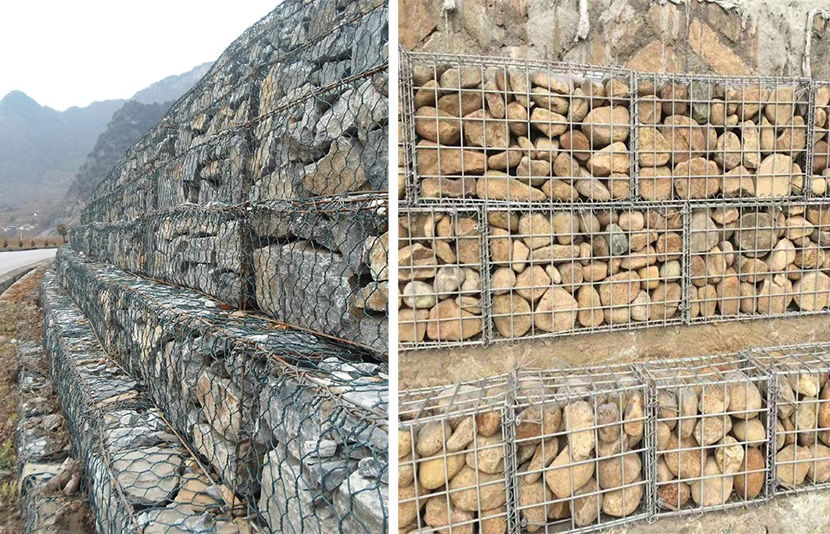
Gabion Mesh is a flexible wire mesh structure that is assembled into boxes, mattresses, or customized shapes and then filled with stones, rocks, or other suitable materials. The combination of strong wire mesh and natural stone creates a durable protective structure that can withstand water impact, soil pressure, and environmental changes.
Traditional rigid concrete structures may crack when ground movement occurs, while Gabion Mesh provides flexibility that allows small deformation without losing overall stability. This flexibility makes Gabion Mesh especially suitable for areas with unstable soil, changing water levels, and natural settlement conditions.
Most Gabion Mesh products are manufactured from galvanized Steel Wire or zinc-aluminum alloy coated wire. These materials provide excellent corrosion resistance and help the Gabion Mesh maintain performance in outdoor environments for many years.
Main Structure of Gabion Mesh
A complete Gabion Mesh system normally consists of wire mesh panels, connecting wires, reinforcing wires, and filling stones. Each component plays an important role in improving the strength and durability of the structure.
Wire Mesh Panels
The wire mesh panels are the main load-bearing components of Gabion Mesh. The mesh design allows water to pass through while preventing soil loss and maintaining the position of filling materials. Common Gabion Mesh structures include hexagonal double twisted mesh, welded mesh, and customized engineering mesh.
Wire Material
The performance of Gabion Mesh is strongly influenced by wire quality. High-quality steel wire provides excellent tensile strength and impact resistance. Galvanized wire Gabion Mesh is commonly selected for general outdoor applications, while zinc-aluminum coated Gabion Mesh is preferred for projects requiring higher corrosion resistance.
Stone Filling
The filling materials inside Gabion Mesh provide weight and structural support. Properly selected stones improve stability, drainage performance, and resistance against water erosion. The size and quality of stones should match the Gabion Mesh design and engineering requirements.
How to Choose Gabion Mesh for Retaining Walls
Retaining walls are one of the most common applications of Gabion Mesh. A properly selected Gabion Mesh retaining wall can effectively prevent soil movement, control slope erosion, and improve landscape stability.
When choosing Gabion Mesh for retaining walls, several important factors should be considered.
1. Consider Soil Conditions
Different soil conditions require different Gabion Mesh solutions. Soft soil areas may require stronger mesh structures and larger stone filling to improve stability. For steep slopes or high retaining walls, reinforced Gabion Mesh systems may provide better structural performance.
2. Select Suitable Wire Coating
Corrosion resistance is one of the most important characteristics of Gabion Mesh used in retaining walls. Outdoor retaining structures are exposed to rain, humidity, temperature changes, and soil chemicals. Galvanized Gabion Mesh provides reliable protection for many applications, while advanced coated Gabion Mesh can provide longer durability in aggressive environments.
3. Choose Proper Mesh Opening Size
The mesh opening size affects both strength and filling efficiency. Smaller openings help retain smaller stones and improve structural integrity. Larger openings may reduce material cost and allow better drainage. The correct Gabion Mesh opening size should be selected according to project requirements.
Choosing Gabion Mesh for Flood Control Projects
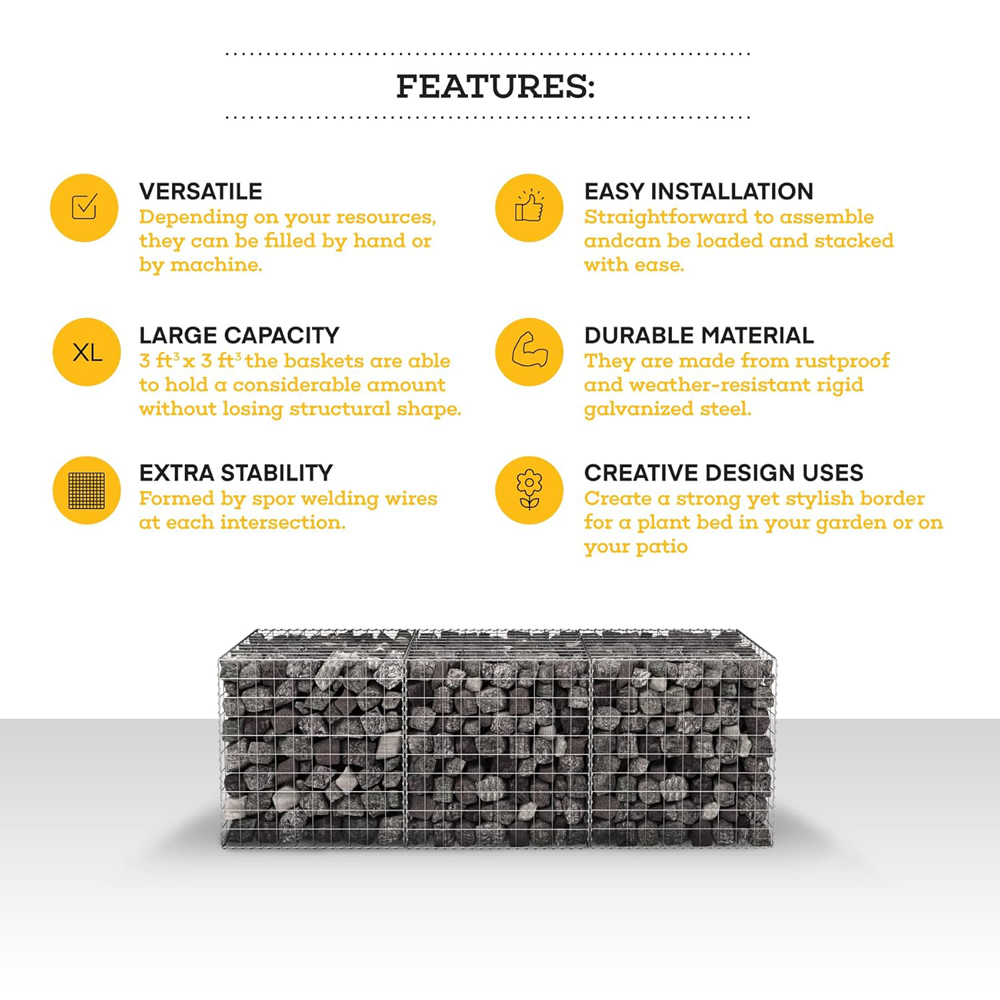
Flood control is another important application of Gabion Mesh. Riverbanks, channels, dams, and drainage systems often face strong water flow and erosion problems. Gabion Mesh provides a flexible and durable protection method by combining wire strength with the weight of stone filling.
For flood control applications, Gabion Mesh should have excellent corrosion resistance, high tensile strength, and strong connection performance. The structure must withstand continuous water impact while maintaining stability during seasonal water level changes.
Riverbank Protection
Gabion Mesh is widely used for riverbank protection because it reduces soil erosion and protects shorelines from water scouring. The open structure of Gabion Mesh allows vegetation growth, helping create a natural environment while maintaining engineering protection.
Channel Protection
Drainage channels and waterways require materials that can handle flowing water. Gabion Mesh provides effective protection by reducing flow speed near the soil surface and preventing channel collapse.
Gabion Mesh Types for Different Applications
Galvanized Gabion Mesh
Galvanized Gabion Mesh is one of the most commonly used solutions for civil engineering and landscaping projects. The zinc coating creates a protective layer that helps prevent rust and improves service life. This type of Gabion Mesh is suitable for retaining walls, garden structures, slope protection, and general construction applications.
Zinc Aluminum Coated Gabion Mesh
Zinc aluminum coated Gabion Mesh provides enhanced corrosion resistance compared with standard galvanized products. It is often selected for projects located near rivers, coastal areas, or environments with higher corrosion risks.
Heavy duty Gabion Mesh is designed for demanding engineering applications requiring higher strength and durability. It is commonly used for large retaining walls, flood protection structures, bridge protection, and major infrastructure projects.
Applications of Gabion Mesh in Landscaping Projects
In addition to engineering applications, Gabion Mesh has become increasingly popular in landscaping projects because of its natural appearance, structural flexibility, and environmental compatibility. Modern landscape designs often combine stone materials with Gabion Mesh to create decorative walls, garden barriers, outdoor furniture, and architectural features.
Unlike traditional concrete structures, Gabion Mesh landscaping solutions provide a more natural visual effect. The combination of metal mesh and stone creates a unique appearance while maintaining excellent drainage performance. This makes Gabion Mesh suitable for parks, residential gardens, commercial landscapes, and public spaces.
Decorative Retaining Walls
Gabion Mesh decorative retaining walls provide both functional and aesthetic benefits. They can stabilize different levels of terrain while creating attractive landscape structures. The flexibility of Gabion Mesh allows designers to create various shapes and heights according to project requirements.
Garden and Outdoor Structures
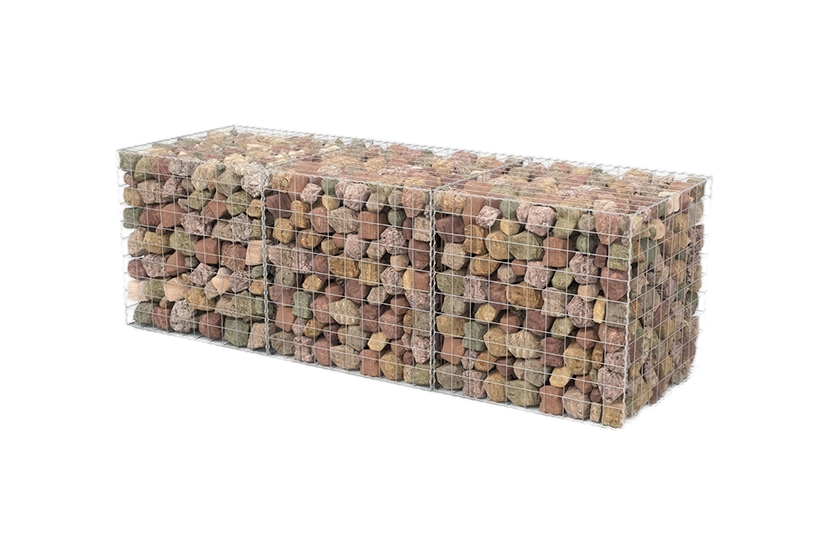
Gabion Mesh can be used for garden walls, fences, seating areas, flower beds, and outdoor decorative elements. The strong structure of Gabion Mesh ensures long-term outdoor performance, while the stone filling provides a natural appearance that blends with surrounding environments.
Noise Reduction Barriers
Gabion Mesh structures can also be used as noise barriers along roads and industrial areas. The combination of heavy stone filling and mesh structure helps reduce sound transmission while providing a durable outdoor protection system.
Key Factors When Selecting Gabion Mesh
Choosing the correct Gabion Mesh requires careful consideration of project requirements. The wrong Gabion Mesh specification may reduce structural performance, increase maintenance costs, or shorten service life. The following factors should be evaluated before selecting Gabion Mesh.
1. Material Quality
The quality of steel wire directly affects Gabion Mesh performance. High-quality steel wire provides better tensile strength, flexibility, and resistance to mechanical damage. A reliable Gabion Mesh structure should maintain its shape even under pressure from soil, water flow, and external impact.
2. Corrosion Protection
Because Gabion Mesh is mainly installed outdoors, corrosion protection is essential. Different environments require different coating solutions. Areas with normal weather conditions may use galvanized Gabion Mesh, while coastal areas, river environments, and high-humidity locations may require stronger protective coatings.
3. Wire Diameter
The wire diameter determines the strength and load capacity of Gabion Mesh. Thicker wire generally provides higher mechanical strength and is suitable for heavy engineering applications. Smaller wire diameters may be suitable for lightweight landscaping structures.
4. Mesh Opening Size
The mesh opening size influences stone retention, drainage ability, and overall stability. A properly selected Gabion Mesh opening prevents filling materials from escaping while allowing sufficient water flow through the structure.
5. Project Environment
Environmental conditions play an important role in Gabion Mesh selection. Factors such as water exposure, soil characteristics, temperature changes, and expected service life should all be considered. Selecting Gabion Mesh based on actual conditions helps ensure reliable long-term performance.
Advantages of Using Gabion Mesh
Gabion Mesh provides multiple advantages compared with traditional protection methods. Its flexible design, strong structure, and environmentally friendly characteristics make it a preferred solution for many engineering and landscaping applications.
Excellent Flexibility
One major advantage of Gabion Mesh is its flexibility. The structure can adapt to ground settlement and minor deformation without significant damage. This characteristic makes Gabion Mesh suitable for unstable soil conditions and areas affected by natural movement.
Strong Drainage Performance
Gabion Mesh allows water to pass through the stone-filled structure, reducing hydrostatic pressure behind retaining walls. Good drainage performance helps improve stability and reduces the risk of structural failure caused by water accumulation.
High Durability
A properly manufactured Gabion Mesh system can provide long-term outdoor performance. Corrosion-resistant coatings protect the wire structure, while stone filling provides excellent resistance against impact and erosion.
Environmentally Friendly Solution
Gabion Mesh supports environmentally friendly construction because it works together with natural materials. Over time, vegetation can grow around the structure, improving ecological integration and creating a more natural landscape environment.
Easy Installation and Maintenance
Gabion Mesh systems are relatively simple to transport, assemble, and install. Compared with some rigid construction methods, Gabion Mesh requires less complex equipment and can reduce installation time. Maintenance requirements are also generally low when proper materials are selected.
Gabion Mesh Installation Process
The installation process of Gabion Mesh requires proper preparation and construction methods to achieve the best performance.
Step 1: Site Preparation
Before installing Gabion Mesh, the construction area should be cleaned and leveled. The foundation condition should be checked to ensure sufficient stability.
Step 2: Assemble Gabion Mesh Units
The Gabion Mesh panels are connected together using fastening wires or other suitable connection methods. Proper assembly ensures that the Gabion Mesh structure maintains its designed shape.
Step 3: Fill with Stones
Selected stones are placed inside the Gabion Mesh structure. The stones should be properly arranged to improve stability and minimize empty spaces.
Step 4: Close and Secure the Structure
After filling, the Gabion Mesh cover is securely connected. Final inspection ensures that the structure meets design requirements.
How to Maintain Gabion Mesh Structures
Although Gabion Mesh requires limited maintenance, regular inspection can help extend service life. Checking for wire damage, stone displacement, and environmental changes helps maintain long-term structural performance.
For flood control applications, Gabion Mesh should be inspected after extreme weather events. Any damaged sections should be repaired quickly to prevent further deterioration.
Frequently Asked Questions About Gabion Mesh
What is Gabion Mesh used for?
Gabion Mesh is mainly used for retaining walls, flood control, riverbank protection, slope stabilization, erosion control, and landscaping projects. Its flexible structure makes it suitable for many outdoor engineering applications.
How long can Gabion Mesh last?
The service life of Gabion Mesh depends on wire material, coating quality, installation conditions, and environmental exposure. Properly selected corrosion-resistant Gabion Mesh can provide reliable long-term performance.
What type of Gabion Mesh is best for flood control?
For flood control projects, Gabion Mesh with strong corrosion resistance, high tensile strength, and durable wire coating is generally recommended. The specific choice depends on water flow conditions and project requirements.
Can Gabion Mesh be used for landscaping?
Yes. Gabion Mesh is widely used in landscaping for decorative walls, garden structures, outdoor features, and ecological landscape projects because it combines strength with a natural appearance.
Conclusion
Choosing the right Gabion Mesh is essential for achieving safe, durable, and cost-effective construction results. Whether used for retaining walls, flood control, slope protection, or landscaping, Gabion Mesh provides excellent flexibility, drainage performance, and environmental compatibility.
By considering factors such as wire material, coating type, mesh size, wire diameter, and application environment, users can select the most suitable Gabion Mesh solution for their projects. With its combination of strength, durability, and adaptability, Gabion Mesh continues to play an important role in modern civil engineering and landscape construction.
SEO Meta Description
Choosing the right Gabion Mesh for retaining walls, flood control, and landscaping projects. Learn about Gabion Mesh types, materials, advantages, applications, and selection methods for durable engineering solutions.
SEO Keywords
Gabion Mesh, Gabion Mesh for retaining walls, Gabion Mesh Flood Control, Gabion Mesh landscaping, galvanized Gabion Mesh, heavy duty Gabion Mesh, corrosion resistant Gabion Mesh, Gabion Mesh structure, Gabion Mesh Applications, Gabion Mesh installation

 Español
 한국어
한국어 العربية
 Tiếng Việt
 Filipino


 E-mail:
  Address: No. 508, Guangxing Road, Baishan Town, Bo'ai County, Jiaozuo City, Henan Province



 Phone
Phone
Comment
(0)