

Gabion Mesh for Coastal Protection and Water Engineering is widely used in modern civil engineering, shoreline stabilization, river training, erosion control, and hydraulic infrastructure projects. As a flexible, permeable, and cost-effective solution, gabion mesh helps protect banks, slopes, embankments, channels, and coastal edges from the damaging effects of wave action, current scouring, storm surges, and soil displacement. For projects that require durable structural support while maintaining natural drainage and environmental compatibility, gabion mesh remains one of the most practical and search-relevant material categories in the geotechnical and water engineering sector.
This page provides an SEO-friendly, industry-focused overview of gabion mesh for coastal protection and water engineering. It includes definitions, core features, application areas, material options, specifications, benefits, selection factors, and technical considerations. The content is written for direct use in blog posts, category pages, product hubs, and engineering resource pages, with a strong keyword structure designed to support search visibility.
Gabion mesh is a wire mesh system used to form baskets, mattresses, sacks, or panels that are filled with stone, rock, or other stable aggregate. Once assembled and filled, the structure becomes a heavy, flexible, permeable, and erosion-resistant unit. In coastal protection and water engineering, gabion mesh is valued because it can adapt to ground movement, absorb hydraulic energy, and allow water to pass through while retaining soil and rock.
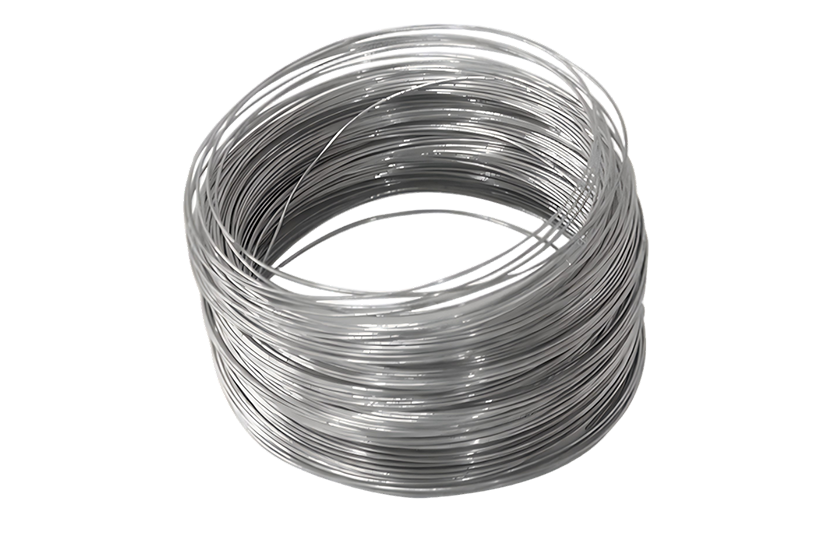
Gabion mesh is typically manufactured from galvanized Steel Wire, PVC-coated wire, zinc-aluminum alloy coated wire, or stainless steel wire depending on the environmental conditions and service life requirements. In marine, river, and drainage environments, corrosion resistance is a critical factor, making coating type and wire diameter important specification parameters.
Coastal and water engineering environments are exposed to continuous natural forces. Waves, tides, currents, rainwater runoff, sediment movement, flooding, ice impact, and soil erosion can all damage structural systems. Gabion mesh provides a balance between strength and flexibility, which makes it suitable for unstable or changing conditions. Unlike rigid concrete structures, gabion mesh systems can settle slightly without cracking and can maintain function even when the subgrade shifts.
In coastal protection, gabion mesh helps reduce wave energy, protect shorelines, stabilize embankments, and prevent scouring. In water engineering, it supports channel lining, riverbank reinforcement, bridge abutment protection, dam toe protection, culvert outlet stabilization, and drainage control. Because the structure is permeable, it reduces hydrostatic pressure and improves long-term stability.
Gabion mesh offers multiple functional and economic advantages. These benefits explain why it continues to be used in both temporary and permanent infrastructure projects.
Gabion mesh is used across many sectors of water control, shoreline management, and civil infrastructure. Below are the most common application areas.
| Application Area | Typical Function | Engineering Benefit |
|---|---|---|
| Coastal protection | Shoreline reinforcement, wave dissipation, sea defense support | Reduces erosion and protects coastal assets |
| Riverbank stabilization | Bank lining, toe protection, slope reinforcement | Prevents bank collapse and scouring |
| Channel lining | Protects irrigation, drainage, and flood channels | Improves flow stability and surface durability |
| Bridge abutment protection | Scour protection around foundations | Supports structural safety and foundation longevity |
| Dam and spillway works | Toe protection, energy dissipation, erosion control | Minimizes water-induced damage |
| Flood control projects | Embankment reinforcement, levee protection | Enhances resilience during heavy flow events |
| Drainage systems | Outlet stabilization and water guidance | Improves controlled discharge performance |
| Marine and estuary works | Protection against tidal movement and saline exposure | Supports structural stability in harsh environments |
Different gabion mesh forms are selected depending on project geometry, hydraulic conditions, soil behavior, and required strength. Understanding the main types helps engineers and buyers choose the most suitable system.
| Gabion Type | Description | Typical Use |
|---|---|---|
| Gabion box | Rectangular wire mesh basket filled with rock | Retaining walls, bank protection, coastal defense |
| Gabion mattress | Shallow, wide unit designed for surface coverage | Riverbeds, channel linings, erosion control |
| Gabion sack | Cylindrical or bag-like mesh container | Emergency works, underwater placement, temporary protection |
| Gabion fence or panel system | Mesh-based structural panel configuration | Support structures and landscaping reinforcement |
| Gabion retaining wall system | Stacked mesh baskets forming a gravity wall | Slopes, embankments, and shoreline edges |
Material selection has a direct impact on performance, corrosion resistance, and overall service life. For coastal protection and water engineering, the environment is often wet, abrasive, and chemically aggressive, so coating choice is essential.
| Material Type | Characteristics | Best-Suited Environment |
|---|---|---|
| Hot-dip Galvanized Steel Wire | Economical, corrosion-resistant, widely used | General water engineering and moderate exposure |
| Galvanized + PVC coated wire | Extra protection against moisture, abrasion, and chemicals | Coastal zones, saline water, and high-humidity areas |
| Zinc-aluminum alloy coated wire | Improved corrosion performance and durability | Marine, river, and long-life infrastructure projects |
| Stainless steel wire | High corrosion resistance and premium durability | Highly aggressive environments and specialty projects |
Gabion mesh specifications vary by project requirements, but several parameters are commonly used to define product performance. These include wire diameter, mesh opening, coating type, tensile strength, basket size, and lacing system. The table below provides a general reference format for industry use.
| Specification Item | Common Range / Option | Notes |
|---|---|---|
| Wire diameter | 2.0 mm to 4.0 mm | Heavier wire is often selected for demanding water environments |
| Mesh opening | 60 x 80 mm, 80 x 100 mm, 100 x 120 mm | Chosen based on stone size and containment needs |
| Basket dimensions | Common modular sizes available | Can be customized to project geometry |
| Coating type | Galvanized, PVC coated, zinc-aluminum, stainless steel | Determines corrosion resistance and lifespan |
| Tensile strength | High tensile wire options available | Improves structural integrity and installation reliability |
| Lacing wire | Matching coating and diameter available | Used to connect panels and reinforce joints |
| Selvedge wire | Thicker edge wire for frame reinforcement | Enhances basket shape stability |
The working principle of gabion mesh is based on a combination of mass, permeability, and flexibility. When filled with stones, the structure becomes heavy enough to resist movement from waves or flowing water. At the same time, the open mesh design allows water to move through the voids between stones, reducing uplift pressure and preventing structural undermining.
In coastal areas, gabion mesh can act as a barrier or buffer that absorbs part of the wave energy before it reaches vulnerable soil or built structures. In rivers and channels, it helps protect banks from high-velocity flow and reduces surface erosion. The interlocked stone mass also offers better tolerance to deformation than rigid retaining structures, making it particularly useful where settlement is expected.
Permeability is one of the most important advantages of gabion mesh in hydraulic applications. Unlike solid concrete or masonry walls, gabion structures do not trap water behind them. This lowers hydrostatic pressure and can reduce the risk of wall failure, uplift, or cracking.
Designing gabion mesh for coastal protection requires attention to hydraulic loading, corrosion resistance, foundation stability, and stone selection. Environmental exposure is often more severe in marine and shoreline areas than in inland projects. Salt spray, tidal cycles, wet-dry alternation, and wave impact can significantly affect performance over time.
Key design considerations include:
In water engineering, gabion mesh is often part of a broader system that includes geotextiles, drainage layers, filters, anchors, and foundation preparation. Proper integration is critical for long-term performance.
| Design Factor | Why It Matters | Typical Planning Focus |
|---|---|---|
| Hydraulic velocity | Affects scouring and impact forces | Select suitable mass and mesh strength |
| Channel geometry | Determines unit layout and slope coverage | Adapt basket shape to site conditions |
| Filter protection | Prevents soil loss through the system | Use geotextile or graded filter layers |
| Foundation stability | Supports structural durability | Prepare base and avoid differential settlement |
| Water chemistry | Influences corrosion rate | Choose proper coating or stainless steel options |
The quality of the fill material is as important as the mesh itself. In many coastal protection and water engineering projects, angular, hard, and durable rock is preferred because it interlocks well and resists displacement. Poor fill material can reduce performance even when the mesh is correctly specified.
Gabion mesh is popular not only because of its engineering properties but also because it is practical to install. The system is modular and does not require highly specialized machinery for every project. This makes it suitable for remote sites, emergency repairs, and staged construction.
Maintenance needs for gabion mesh are generally low compared with many rigid infrastructure systems, but regular inspection is still important. Coastal and hydraulic environments can cause mechanical wear, corrosion, or displacement over time. Routine checks help preserve structural performance and extend service life.
Maintenance activities may include inspection of wire condition, checking for broken ties, verifying stone settlement, replacing damaged units, and monitoring scour around the base. In highly aggressive environments, additional protective measures such as thicker coatings or higher-grade wire materials can help achieve longer service life.
Gabion mesh is often viewed as a more environmentally adaptable solution than many fully rigid systems. Because it supports drainage and uses natural stone fill, it can integrate with landscapes and aquatic environments in a less intrusive way. In some projects, vegetation may establish around or within gabion systems, further improving visual integration and slope stability.
Engineers often compare gabion mesh with concrete seawalls, revetments, and retaining walls. Each system has advantages, but gabion mesh stands out in projects where flexibility, drainage, and installation simplicity are priorities.
| Feature | Gabion Mesh System | Rigid Concrete System |
|---|---|---|
| Flexibility | High | Low |
| Drainage | Excellent | Limited |
| Settlement tolerance | Good | Poor to moderate |
| Construction complexity | Moderate to low | Moderate to high |
| Environmental integration | Strong | Moderate |
| Crack resistance | Not applicable in the same way | Can crack under movement |
The following keyword themes are useful for blog content, product pages, category descriptions, and technical articles. Using these phrases naturally throughout content can improve topical relevance for search engines.
Choosing the right gabion mesh depends on site conditions, hydraulic forces, expected lifespan, and budget. A well-selected system should match the mechanical demand of the project while providing appropriate corrosion resistance and structural stability.
For SEO and industry comprehension, it is useful to understand common technical terms used in gabion mesh specifications.
| Term | Meaning |
|---|---|
| Mesh aperture | The opening size of the wire mesh |
| Selvedge wire | Thicker wire used at basket edges for reinforcement |
| Lacing wire | Wire used to connect and secure gabion panels |
| Gabion mattress | Low-profile gabion unit used for surface protection |
| Scour protection | Measures that prevent soil erosion caused by moving water |
| Corrosion resistance | Ability of wire coating to resist rust and environmental degradation |
Gabion Mesh for Coastal Protection and Water Engineering remains one of the most versatile and reliable solutions for erosion control, shoreline defense, riverbank stabilization, drainage support, and hydraulic protection. Its combination of flexibility, permeability, durability, and cost efficiency makes it highly suitable for both engineered and environmentally sensitive projects.
Whether used in coastal defense systems, river training works, channel lining, flood mitigation, or slope reinforcement, gabion mesh delivers practical performance in demanding environments. By selecting the correct wire material, mesh opening, coating, and fill stone, project planners can achieve a stable, long-lasting, and low-maintenance structural solution that aligns with modern water engineering requirements.
For content strategy, this topic supports strong SEO potential because it combines high-intent keywords such as gabion mesh, coastal protection, water engineering, erosion control, riverbank stabilization, and gabion mattress. This makes it an effective foundation for industry pages, technical blogs, and educational resources targeting search visibility in civil engineering and environmental protection markets.

 Landline Phone: +86-513-85100011
Telephone: +86 13585223056
 E-mail: hangtong@nthangtong.com
vicky@nthangtong.com
 Address: No. 508, Guangxing Road, Baishan Town, Bo'ai County, Jiaozuo City, Henan Province
Copyright © Henan Suxiang Steel Cable Co., Ltd
This website uses cookies to ensure you get the best experience on our website.
 Español
 한국어
한국어 العربية
 Tiếng Việt
 Filipino



 Phone
Phone
Comment
(0)