High Carbon Spring Steel Wire vs Alloy Spring Steel Wire: Key Differences ExplainedHigh Carbon Spring Steel Wire and Alloy Spring Steel Wire are two important types of spring materials widely used in industrial manufacturing. Both materials are designed to provide excellent elasticity, strength, and durability, but they have different characteristics due to their chemical composition and manufacturing requirements. Understanding the differences between High Carbon Spring Steel Wire and Alloy Spring Steel Wire helps engineers and buyers select the most suitable material for different spring applications.
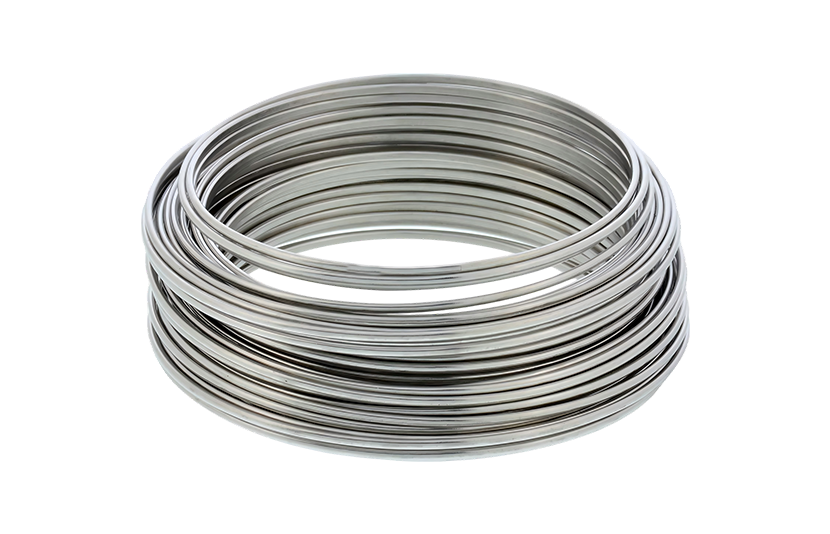
The choice between High Carbon Spring Steel Wire and Alloy Spring Steel Wire depends on various factors, including load requirements, working environment, fatigue resistance, corrosion conditions, and production requirements. High Carbon Spring Steel Wire is known for its high hardness, good elasticity, and cost-effective performance, while Alloy Spring Steel Wire provides enhanced strength, toughness, and improved performance under demanding conditions.
With increasing requirements for high-performance mechanical components, both High Carbon Spring Steel Wire and Alloy Spring Steel Wire continue to play important roles in automotive systems, industrial equipment, precision machinery, and heavy-duty applications. A clear understanding of High Carbon Spring Steel Wire vs Alloy Spring Steel Wire allows manufacturers to optimize product design and improve component reliability.
What Is High Carbon Spring Steel Wire?
High Carbon Spring Steel Wire is a type of spring wire manufactured from steel with a relatively high carbon content. The increased carbon content improves hardness, tensile strength, and elastic performance, making High Carbon Spring Steel Wire suitable for applications requiring strong spring force and reliable deformation recovery.
The main advantage of High Carbon Spring Steel Wire is its excellent balance between strength and production efficiency. Because of its high carbon structure, High Carbon Spring Steel Wire can achieve good mechanical properties after proper heat treatment and processing.
High Carbon Spring Steel Wire is commonly used for springs that operate under moderate stress conditions. It provides stable performance for applications where high elasticity, wear resistance, and economical material selection are important.
Main Characteristics of High Carbon Spring Steel Wire
High Carbon Spring Steel Wire offers several important characteristics that make it suitable for spring manufacturing. The high carbon content improves hardness and strength, allowing High Carbon Spring Steel Wire to maintain reliable performance during repeated loading cycles.
Another important feature of High Carbon Spring Steel Wire is excellent elastic recovery. When a spring made from High Carbon Spring Steel Wire is compressed or stretched, it can return to its original shape efficiently, helping maintain consistent mechanical performance.
High Carbon Spring Steel Wire also provides good wear resistance. This makes it suitable for applications where springs experience continuous friction, vibration, and mechanical movement.
What Is Alloy Spring Steel Wire?
Alloy Spring Steel Wire is a spring material produced by adding alloying elements to steel. Elements such as silicon, manganese, chromium, and other alloy components improve the mechanical properties of Alloy Spring Steel Wire.
Compared with standard carbon-based spring materials, Alloy Spring Steel Wire provides higher strength, better toughness, and improved resistance to fatigue. These characteristics make Alloy Spring Steel Wire suitable for more demanding applications involving heavy loads, high temperatures, and repeated stress.
The advanced properties of Alloy Spring Steel Wire allow manufacturers to produce springs with improved durability and longer service life. Alloy Spring Steel Wire is often selected when performance requirements exceed the capabilities of conventional materials.
Main Characteristics of Alloy Spring Steel Wire
The major advantage of Alloy Spring Steel Wire is enhanced mechanical performance. Alloy elements improve the internal structure of the material, increasing strength and toughness while maintaining excellent elasticity.
Alloy Spring Steel Wire provides superior fatigue resistance compared with many standard spring materials. This allows springs made from Alloy Spring Steel Wire to withstand more repeated cycles and maintain stable performance over longer operating periods.
Another benefit of Alloy Spring Steel Wire is improved performance under challenging conditions. Applications involving high loads, temperature variations, or demanding mechanical environments often require the additional reliability provided by Alloy Spring Steel Wire.
High Carbon Spring Steel Wire vs Alloy Spring Steel Wire: Material Differences
The primary difference between High Carbon Spring Steel Wire and Alloy Spring Steel Wire comes from their chemical composition. High Carbon Spring Steel Wire relies mainly on carbon content to achieve strength and hardness, while Alloy Spring Steel Wire uses additional alloying elements to improve overall performance.
High Carbon Spring Steel Wire generally provides excellent strength and elasticity at a competitive cost. It is suitable for many standard spring applications where operating conditions are not extremely demanding.
Alloy Spring Steel Wire offers improved mechanical properties because alloy elements enhance the material structure. Compared with High Carbon Spring Steel Wire, Alloy Spring Steel Wire typically provides better toughness, fatigue resistance, and load-bearing capability.
Chemical Composition Comparison
Chemical composition plays an important role in determining the differences between High Carbon Spring Steel Wire and Alloy Spring Steel Wire. The higher carbon content in High Carbon Spring Steel Wire increases hardness and tensile strength.
However, excessive carbon content may reduce toughness if not properly controlled. Therefore, High Carbon Spring Steel Wire requires accurate manufacturing processes to achieve the correct balance between hardness and flexibility.
Alloy Spring Steel Wire contains additional alloying elements that improve strength, toughness, and resistance to environmental stress. These elements allow Alloy Spring Steel Wire to maintain better performance in more challenging applications.
Strength and Performance Comparison
When comparing High Carbon Spring Steel Wire vs Alloy Spring Steel Wire, strength performance is one of the most important considerations. High Carbon Spring Steel Wire provides strong tensile performance and reliable elasticity for general spring applications.
Alloy Spring Steel Wire usually provides higher overall strength and better fatigue resistance. This makes Alloy Spring Steel Wire suitable for applications where springs must handle greater loads and longer service cycles.
Both High Carbon Spring Steel Wire and Alloy Spring Steel Wire can provide excellent performance when properly selected and manufactured. The best choice depends on the specific application requirements, working conditions, and expected service life.
Manufacturing Process Differences
The manufacturing process of High Carbon Spring Steel Wire and Alloy Spring Steel Wire includes similar basic steps, such as wire drawing, heat treatment, surface processing, and quality inspection. However, Alloy Spring Steel Wire often requires more precise processing control because of its more complex material composition.
During High Carbon Spring Steel Wire production, controlling carbon content, drawing accuracy, and heat treatment conditions is essential to achieve stable mechanical properties.
For Alloy Spring Steel Wire, additional attention is required for alloy distribution, heat treatment parameters, and microstructure control. These factors directly influence the final strength and durability of Alloy Spring Steel Wire.
Applications of High Carbon Spring Steel Wire
High Carbon Spring Steel Wire is widely used in applications where reliable elasticity, good tensile strength, and cost efficiency are required. The stable performance of High Carbon Spring Steel Wire makes it suitable for many standard spring components used in industrial equipment, mechanical systems, and general manufacturing.
In automotive applications, High Carbon Spring Steel Wire is commonly used for various spring components that require consistent force and durability. The excellent elastic recovery of High Carbon Spring Steel Wire helps maintain stable mechanical performance during repeated compression and release cycles.
Industrial machinery is another important application field for High Carbon Spring Steel Wire. Springs produced from High Carbon Spring Steel Wire are used in mechanical devices, control systems, and equipment components where reliable spring action is necessary.
High Carbon Spring Steel Wire is also suitable for applications requiring wear resistance and stable performance under normal operating conditions. Its balanced mechanical properties make High Carbon Spring Steel Wire a practical choice for many spring manufacturing requirements.
Applications of Alloy Spring Steel Wire
Alloy Spring Steel Wire is designed for applications that require higher strength, improved fatigue resistance, and better performance under demanding conditions. The enhanced mechanical properties of Alloy Spring Steel Wire make it suitable for heavy-duty and high-performance spring applications.
Automotive suspension systems often require Alloy Spring Steel Wire because vehicle components experience continuous vibration, impact, and changing loads. Alloy Spring Steel Wire provides the strength and durability needed to maintain suspension reliability over long service periods.
Heavy machinery and industrial equipment also benefit from Alloy Spring Steel Wire. In applications where springs must handle higher stress levels, Alloy Spring Steel Wire provides improved load capacity and resistance to fatigue damage.
Alloy Spring Steel Wire is also used in precision mechanical systems where stable performance and long service life are critical. The advanced characteristics of Alloy Spring Steel Wire help improve equipment reliability and reduce maintenance requirements.
High Carbon Spring Steel Wire vs Alloy Spring Steel Wire: Advantages Comparison
Advantages of High Carbon Spring Steel Wire
High Carbon Spring Steel Wire offers several advantages that make it widely used in spring manufacturing. One major advantage of High Carbon Spring Steel Wire is its excellent balance between performance and production cost.
The high carbon content of High Carbon Spring Steel Wire provides good hardness and tensile strength. This allows High Carbon Spring Steel Wire to perform effectively in applications requiring reliable spring force and elastic recovery.
Another advantage of High Carbon Spring Steel Wire is its manufacturing efficiency. Compared with more complex materials, High Carbon Spring Steel Wire can often be processed using relatively simple production methods while maintaining good performance.
For standard spring applications, High Carbon Spring Steel Wire provides a practical solution with reliable strength, durability, and cost control.
Advantages of Alloy Spring Steel Wire
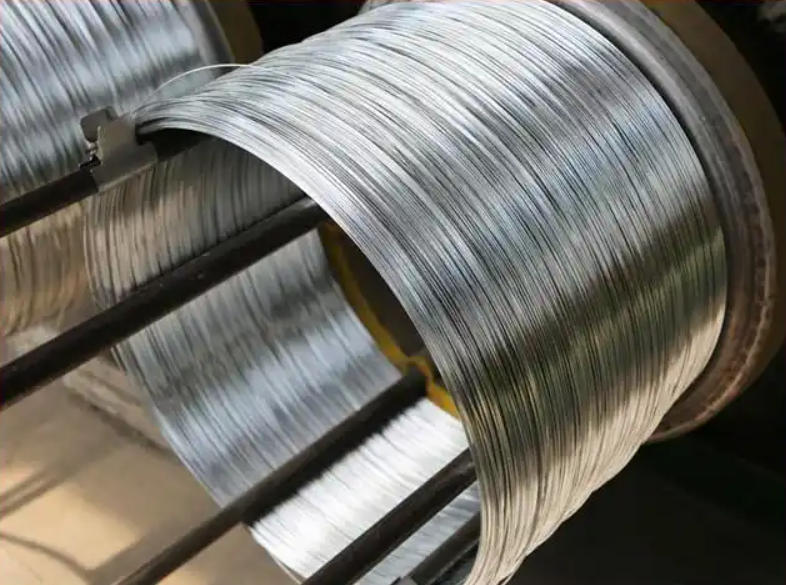
Alloy Spring Steel Wire provides enhanced mechanical performance compared with conventional spring materials. The addition of alloying elements improves the strength, toughness, and fatigue resistance of Alloy Spring Steel Wire.
One of the most important advantages of Alloy Spring Steel Wire is improved durability under repeated stress. Components produced from Alloy Spring Steel Wire can maintain stable performance for longer periods in demanding environments.
Alloy Spring Steel Wire also provides better resistance to temperature changes and heavy mechanical loads. This makes Alloy Spring Steel Wire suitable for applications where standard High Carbon Spring Steel Wire may not provide sufficient performance.
Limitations of High Carbon Spring Steel Wire and Alloy Spring Steel Wire
Although High Carbon Spring Steel Wire provides excellent performance for many applications, it may have limitations in extremely demanding environments. Compared with Alloy Spring Steel Wire, High Carbon Spring Steel Wire may provide lower toughness and fatigue resistance under severe operating conditions.
Proper application selection is important because High Carbon Spring Steel Wire performs best when operating conditions match its material characteristics. Selecting High Carbon Spring Steel Wire for unsuitable applications may reduce component service life.
Alloy Spring Steel Wire provides improved performance but usually requires more advanced processing technology and stricter manufacturing control. The additional alloy components of Alloy Spring Steel Wire may increase production complexity.
Therefore, choosing between High Carbon Spring Steel Wire and Alloy Spring Steel Wire requires evaluating performance requirements, working conditions, and economic considerations.
How to Choose Between High Carbon Spring Steel Wire and Alloy Spring Steel Wire
Selecting the correct material between High Carbon Spring Steel Wire and Alloy Spring Steel Wire depends on several important factors. Understanding application requirements helps achieve the best balance between performance, durability, and cost.
Consider Load Requirements
For applications involving moderate loads, High Carbon Spring Steel Wire can provide reliable performance and sufficient strength. However, applications involving heavy loads or high stress cycles may require Alloy Spring Steel Wire because of its improved mechanical properties.
Consider Fatigue Requirements
Fatigue resistance is an important factor when selecting spring materials. High Carbon Spring Steel Wire provides good fatigue performance for general applications, while Alloy Spring Steel Wire offers enhanced fatigue resistance for long-term and high-cycle applications.
Consider Operating Environment
The working environment also affects material selection. High Carbon Spring Steel Wire is suitable for normal operating conditions, while Alloy Spring Steel Wire is often preferred for applications involving high temperature, vibration, impact, or extreme mechanical stress.
Consider Production Requirements
Manufacturing requirements should also be considered when selecting between High Carbon Spring Steel Wire and Alloy Spring Steel Wire. High Carbon Spring Steel Wire provides efficient production advantages, while Alloy Spring Steel Wire offers higher performance potential with more advanced processing requirements.
Quality Control Requirements for Spring Steel Wire
Whether producing High Carbon Spring Steel Wire or Alloy Spring Steel Wire, strict quality control is essential. Proper inspection ensures that spring steel wire meets required mechanical and dimensional specifications.
Quality control for High Carbon Spring Steel Wire includes chemical composition analysis, tensile strength testing, hardness testing, and surface inspection. These procedures help maintain consistent product quality.
For Alloy Spring Steel Wire, quality control focuses on alloy composition, heat treatment accuracy, microstructure evaluation, and fatigue performance testing. These inspections ensure Alloy Spring Steel Wire achieves reliable long-term performance.
A comprehensive quality management system helps both High Carbon Spring Steel Wire and Alloy Spring Steel Wire achieve stable quality and dependable application performance.
Future Development Trends of High Carbon Spring Steel Wire and Alloy Spring Steel Wire
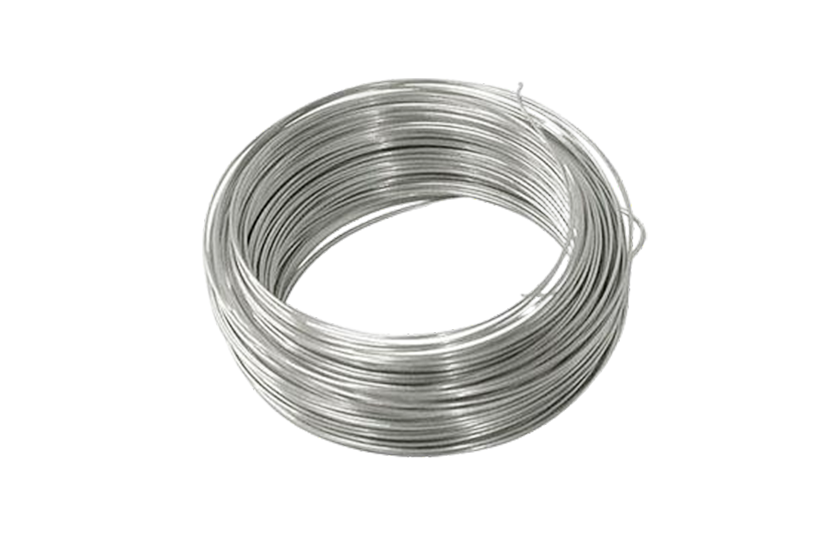
The development of High Carbon Spring Steel Wire and Alloy Spring Steel Wire continues to focus on higher strength, improved durability, and better production efficiency. As industries demand lighter and stronger components, spring materials continue to evolve.
Future High Carbon Spring Steel Wire development will focus on improving material consistency, surface quality, and fatigue performance while maintaining production efficiency.
Future Alloy Spring Steel Wire technology will continue to enhance strength-to-weight performance, toughness, and resistance to demanding operating conditions. Advanced Alloy Spring Steel Wire will support the development of more reliable mechanical systems.
Frequently Asked Questions About High Carbon Spring Steel Wire vs Alloy Spring Steel Wire
1. What is the main difference between High Carbon Spring Steel Wire and Alloy Spring Steel Wire?
The main difference is chemical composition and performance. High Carbon Spring Steel Wire mainly uses higher carbon content for strength and elasticity, while Alloy Spring Steel Wire uses additional alloy elements to improve toughness, fatigue resistance, and durability.
2. Is High Carbon Spring Steel Wire stronger than Alloy Spring Steel Wire?
High Carbon Spring Steel Wire provides excellent strength, but Alloy Spring Steel Wire generally offers better overall mechanical performance, especially under heavy loads and repeated stress conditions.
3. Which is better for automotive applications?
Both materials can be used in automotive applications. High Carbon Spring Steel Wire is suitable for standard spring requirements, while Alloy Spring Steel Wire is preferred for applications requiring higher fatigue resistance and longer service life.
4. Can High Carbon Spring Steel Wire and Alloy Spring Steel Wire be customized?
Yes. Both High Carbon Spring Steel Wire and Alloy Spring Steel Wire can be customized according to diameter, strength requirements, surface conditions, and application needs.
5. How should buyers choose between High Carbon Spring Steel Wire and Alloy Spring Steel Wire?
Buyers should consider load conditions, fatigue requirements, working environment, service life expectations, and production requirements before selecting High Carbon Spring Steel Wire or Alloy Spring Steel Wire.
Conclusion
High Carbon Spring Steel Wire and Alloy Spring Steel Wire both provide important solutions for modern spring manufacturing. High Carbon Spring Steel Wire offers reliable strength, elasticity, and cost efficiency, making it suitable for many standard applications. Alloy Spring Steel Wire provides enhanced strength, toughness, and fatigue resistance for more demanding environments.
Understanding the differences between High Carbon Spring Steel Wire vs Alloy Spring Steel Wire helps engineers and buyers select the most suitable material for their specific applications. By considering performance requirements, operating conditions, and production goals, the right spring steel wire solution can improve component reliability and service life.
As industrial technology continues to advance, both High Carbon Spring Steel Wire and Alloy Spring Steel Wire will continue to play important roles in automotive, machinery, and precision manufacturing industries.

 Español
 한국어
한국어 العربية
 Tiếng Việt
 Filipino


 E-mail:
  Address: No. 508, Guangxing Road, Baishan Town, Bo'ai County, Jiaozuo City, Henan Province



 Phone
Phone
Comment
(0)