Hot-dip Galvanized Steel Wire: Properties, Manufacturing Process, and Industrial ApplicationsHot-Dip Galvanized Steel Wire is a widely used Industrial Steel Wire product designed to provide superior corrosion protection, mechanical strength, and long service life. By applying a zinc coating through the hot-dip galvanizing process, Hot-Dip Galvanized Steel Wire combines the durability of steel with the protective performance of zinc, making it suitable for demanding outdoor and industrial environments.
Steel wire has been an essential material in modern manufacturing, construction, transportation, and agricultural industries. However, untreated steel wire can easily corrode when exposed to moisture, oxygen, chemicals, and harsh weather conditions. Hot-Dip Galvanized Steel Wire solves this problem by creating a protective zinc layer that prevents direct contact between the steel surface and corrosive elements.
With excellent corrosion resistance, reliable tensile strength, and flexible processing characteristics, Hot-Dip Galvanized Steel Wire has become an important material for wire mesh, fencing systems, construction reinforcement, communication lines, agricultural structures, and industrial applications.
What Is Hot-Dip Galvanized Steel Wire?
Hot-Dip Galvanized Steel Wire is a steel wire product coated with a layer of zinc through immersion in molten zinc. During the galvanizing process, zinc reacts with the steel surface and forms a tightly bonded zinc-iron alloy layer. This metallurgical bonding structure provides stronger adhesion and longer protection compared with ordinary surface coatings.
The basic structure of Hot-Dip Galvanized Steel Wire consists of a high-strength steel core and a protective zinc coating. The steel core provides excellent load-bearing capacity, tensile strength, and structural stability, while the zinc layer protects the steel wire from corrosion and environmental damage.
Different applications require different specifications of Hot-Dip Galvanized Steel Wire. Manufacturers can adjust wire diameter, tensile strength, zinc coating thickness, and surface treatment according to project requirements. This flexibility allows galvanized steel wire to meet various industrial and engineering needs.
Key Properties of Hot-Dip Galvanized Steel Wire
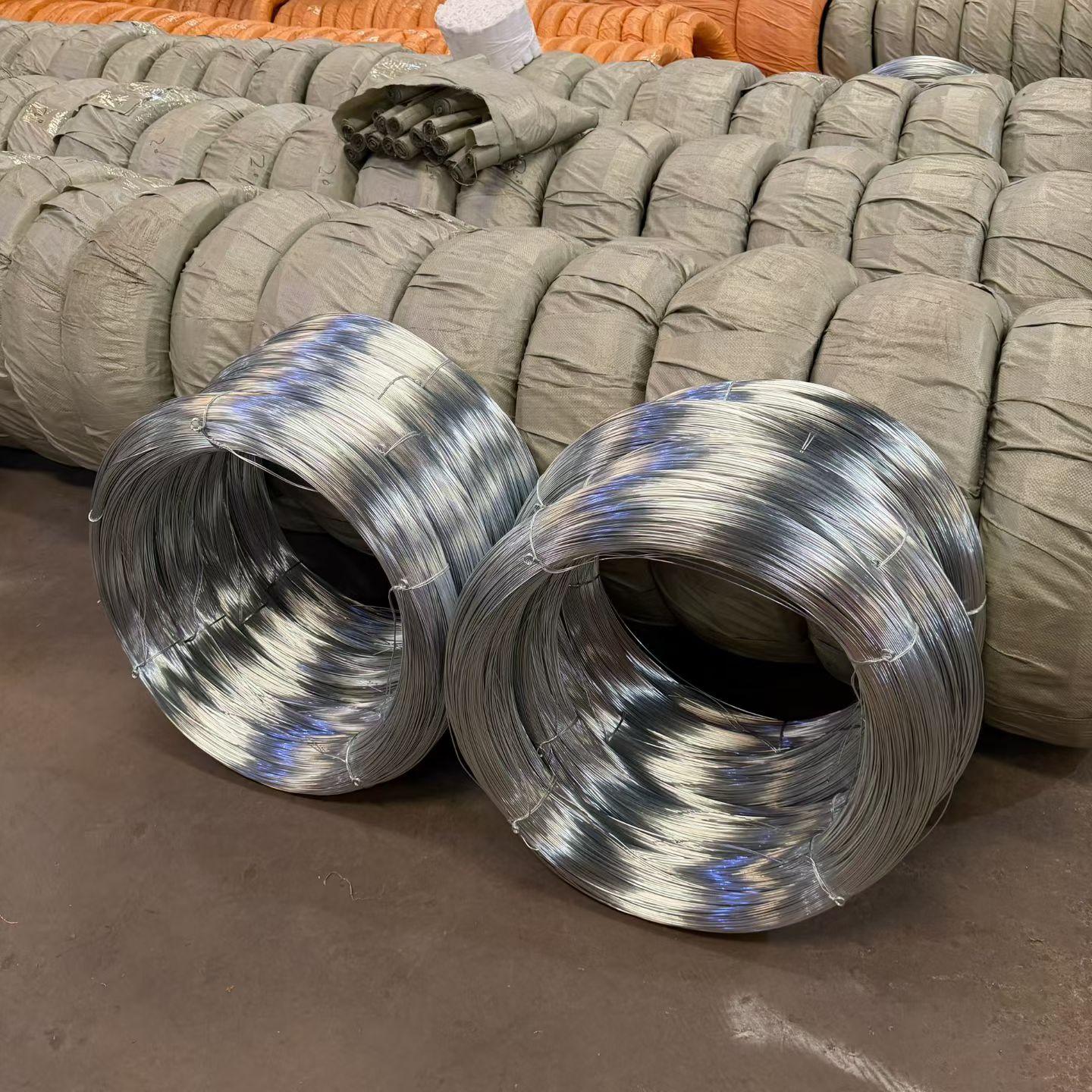
1. Outstanding Corrosion Resistance
The primary advantage of Hot-Dip Galvanized Steel Wire is its excellent resistance to corrosion. The zinc coating creates a protective barrier that prevents water, oxygen, and other corrosive substances from reaching the steel core.
Unlike untreated steel wire, Hot-Dip Galvanized Steel Wire maintains stable performance in outdoor environments, including areas with high humidity, rainfall, coastal conditions, and industrial exposure. The zinc coating also provides sacrificial protection, meaning zinc corrodes before the steel core, extending the service life of the wire.
2. High Tensile Strength and Durability
Hot-Dip Galvanized Steel Wire maintains the mechanical strength of steel while adding long-term corrosion protection. The high tensile strength allows the wire to withstand pulling forces, vibration, and continuous loading.
This makes Hot-Dip Galvanized Steel Wire suitable for applications where structural reliability is important, such as support systems, safety barriers, agricultural frameworks, and industrial wire products.
3. Strong Zinc Coating Adhesion
A major feature of Hot-Dip Galvanized Steel Wire is the strong bonding between zinc and steel. During hot-dip galvanizing, zinc forms alloy layers with the steel surface, creating a coating that is highly resistant to peeling, cracking, and mechanical impact.
The strong adhesion of the zinc coating ensures that Hot-Dip Galvanized Steel Wire can maintain protection during transportation, installation, bending, and long-term operation.
4. Excellent Weather Resistance
Hot-Dip Galvanized Steel Wire is designed for long-term outdoor use. The zinc coating protects the wire against rain, sunlight, temperature changes, and atmospheric corrosion.
Because of its weather resistance, Hot-Dip Galvanized Steel Wire is commonly selected for outdoor structures where maintenance access is difficult or where long service life is required.
5. Good Flexibility and Processing Performance
Although Hot-Dip Galvanized Steel Wire provides high strength, it also maintains good flexibility. The wire can be processed through cutting, bending, twisting, weaving, and forming operations.
This processing capability makes Hot-Dip Galvanized Steel Wire suitable for manufacturing wire mesh, fencing products, binding wire, protective structures, and customized industrial components.
Manufacturing Process of Hot-Dip Galvanized Steel Wire
The manufacturing process of Hot-Dip Galvanized Steel Wire involves multiple controlled production steps. Each stage affects the final coating quality, mechanical performance, and service life of the finished product.
1. Raw Steel Wire Selection
The production of Hot-Dip Galvanized Steel Wire begins with selecting suitable steel wire materials. The steel grade is chosen according to required strength, flexibility, diameter, and application environment.
High-quality raw steel wire provides a stable foundation for producing galvanized steel wire with consistent mechanical properties. The selection of proper steel material ensures that the finished Hot-Dip Galvanized Steel Wire can meet different industrial requirements.
2. Wire Drawing Process
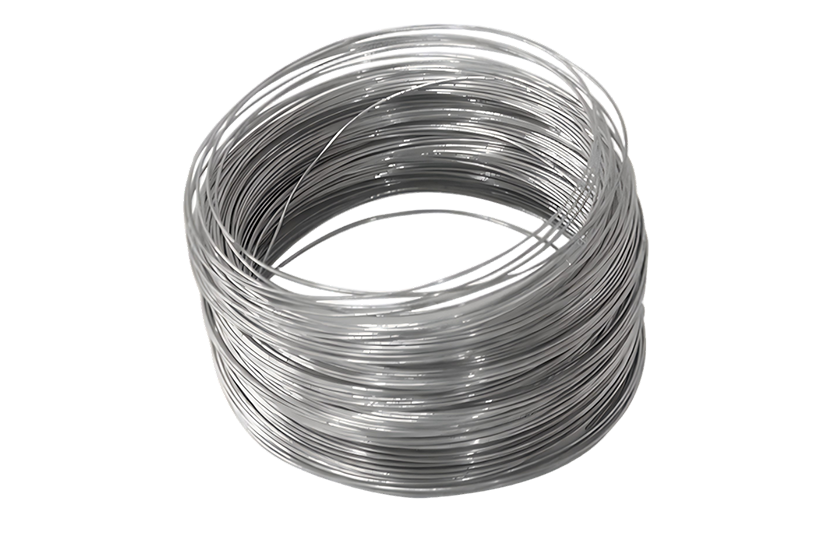
Steel wire drawing is an important manufacturing step used to achieve accurate wire diameter and improve mechanical performance. During wire drawing, steel wire passes through a series of dies to reduce diameter and increase dimensional accuracy.
The wire drawing process helps improve the surface quality and tensile properties of Hot-Dip Galvanized Steel Wire. Proper control of drawing parameters ensures uniform diameter and stable performance.
3. Surface Cleaning Treatment
Before galvanizing, the steel wire surface must be completely cleaned. Oil, rust, oxide scale, and other contaminants are removed through chemical and mechanical cleaning processes.
Surface preparation is one of the most important stages in producing high-quality Hot-Dip Galvanized Steel Wire. A clean steel surface allows zinc to bond effectively and creates a uniform protective coating.
4. Flux Treatment
After cleaning, the steel wire undergoes flux treatment. The flux layer prevents oxidation before entering the zinc bath and improves the reaction between steel and molten zinc.
Proper flux treatment helps achieve better zinc adhesion, smoother coating appearance, and improved corrosion resistance of Hot-Dip Galvanized Steel Wire.
5. Hot-Dip Galvanizing Process
The core manufacturing stage is the hot-dip galvanizing process. During this step, cleaned steel wire is immersed into molten zinc at a controlled temperature. The zinc reacts with the steel surface and forms zinc-iron alloy layers.
The resulting zinc coating provides excellent protection against corrosion and environmental damage. The thickness and uniformity of the zinc coating directly influence the durability and service performance of Hot-Dip Galvanized Steel Wire.
Advanced Manufacturing Steps of Hot-Dip Galvanized Steel Wire
6. Zinc Coating Control and Cooling
After the steel wire passes through the molten zinc bath, the zinc coating thickness must be carefully controlled. Proper coating control ensures that Hot-Dip Galvanized Steel Wire achieves the required balance between corrosion resistance, surface quality, and processing performance.
After galvanizing, the wire is cooled through controlled methods to stabilize the zinc coating structure. The cooling process helps improve coating adhesion and prevents surface defects, ensuring that Hot-Dip Galvanized Steel Wire maintains reliable performance during storage, transportation, and application.
7. Quality Inspection
Quality inspection is an essential stage in Hot-Dip Galvanized Steel Wire production. The finished wire is tested for important characteristics including zinc coating thickness, tensile strength, wire diameter accuracy, surface condition, and corrosion resistance.
Strict quality control ensures that Hot-Dip Galvanized Steel Wire can meet different industrial requirements and perform consistently in various operating environments.
Advantages of Hot-Dip Galvanized Steel Wire
1. Reduced Maintenance Costs
One of the biggest advantages of Hot-Dip Galvanized Steel Wire is its ability to reduce maintenance requirements. The durable zinc coating protects the steel wire from corrosion for many years, reducing the need for frequent replacement or protective treatments.
For large-scale infrastructure projects, agricultural facilities, and industrial installations, using Hot-Dip Galvanized Steel Wire helps reduce total operating costs and improves long-term economic efficiency.
2. Suitable for Harsh Environments
Hot-Dip Galvanized Steel Wire performs well in challenging environments, including outdoor exposure, humid areas, coastal regions, and industrial locations. The zinc coating provides reliable protection against moisture and atmospheric corrosion.
This environmental adaptability makes Hot-Dip Galvanized Steel Wire an ideal choice for applications requiring stable performance under changing weather conditions.
3. Long-Term Structural Reliability
The combination of strong steel core and protective zinc coating gives Hot-Dip Galvanized Steel Wire excellent structural reliability. It can maintain strength and functionality during long-term use.
Whether used for support structures, wire mesh systems, or industrial components, Hot-Dip Galvanized Steel Wire provides dependable performance and helps improve project durability.
4. Wide Application Compatibility
Hot-Dip Galvanized Steel Wire is available in various diameters, strengths, and coating specifications. This allows it to be customized for different industries and application requirements.
From small wire products to large engineering structures, galvanized steel wire provides flexible solutions for many industrial needs.
Industrial Applications of Hot-Dip Galvanized Steel Wire
1. Construction Industry
The construction industry is one of the largest application areas for Hot-Dip Galvanized Steel Wire. Its corrosion resistance and strength make it suitable for reinforcement, binding applications, protective structures, and building-related wire products.
In outdoor construction projects, Hot-Dip Galvanized Steel Wire helps improve durability by providing long-lasting protection against environmental exposure.
2. Wire Mesh and Fencing Systems
Hot-Dip Galvanized Steel Wire is widely used for manufacturing wire mesh, security fencing, agricultural fencing, and protective barriers. The zinc coating prevents rust and maintains appearance and strength during outdoor operation.
Because fencing systems are often exposed to rain, sunlight, and temperature changes, Hot-Dip Galvanized Steel Wire provides a reliable solution for long-term outdoor applications.
3. Agriculture and Farming Applications
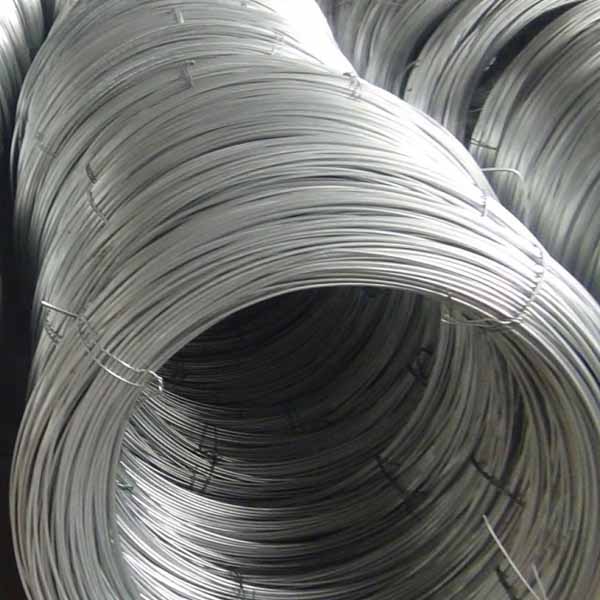
Agricultural facilities require materials that can withstand outdoor conditions. Hot-Dip Galvanized Steel Wire is commonly used in livestock fencing, vineyard support systems, greenhouse structures, and crop support applications.
The corrosion-resistant performance of Hot-Dip Galvanized Steel Wire helps agricultural structures maintain stability while reducing maintenance frequency.
4. Communication and Power Infrastructure
Hot-Dip Galvanized Steel Wire is also used in communication and power-related applications. Its strength and corrosion resistance make it suitable for support wires, messenger wires, cable reinforcement, and infrastructure components.
In outdoor communication systems, Hot-Dip Galvanized Steel Wire provides reliable mechanical support and long-term environmental protection.
5. Transportation and Engineering Projects
Transportation infrastructure often requires durable materials that can withstand continuous outdoor exposure. Hot-Dip Galvanized Steel Wire is used in bridge-related components, road safety systems, protective structures, and engineering support applications.
The combination of strength, flexibility, and corrosion resistance makes Hot-Dip Galvanized Steel Wire suitable for demanding engineering environments.
6. Industrial Manufacturing
Many industrial products require reliable steel wire materials. Hot-Dip Galvanized Steel Wire can be used in manufacturing processes involving wire assemblies, mechanical components, support structures, and customized industrial products.
Its stable quality and adaptable specifications make Hot-Dip Galvanized Steel Wire an important material choice for industrial manufacturers.
How to Select the Right Hot-Dip Galvanized Steel Wire
Choosing the correct Hot-Dip Galvanized Steel Wire depends on several important factors, including application environment, required strength, wire diameter, zinc coating thickness, and expected service life.
1. Consider Application Environment
Different environments require different levels of corrosion protection. Outdoor and high-humidity applications usually require Hot-Dip Galvanized Steel Wire with stronger zinc protection to ensure long-term durability.
2. Select Appropriate Wire Diameter
Wire diameter affects strength, flexibility, and load-bearing capability. Larger diameter Hot-Dip Galvanized Steel Wire generally provides higher mechanical strength, while smaller diameters offer better flexibility for processing.
3. Evaluate Tensile Strength Requirements
The tensile strength of Hot-Dip Galvanized Steel Wire should match the requirements of the application. Structural support applications usually require higher strength, while general binding applications may require more flexibility.
4. Check Zinc Coating Thickness
Zinc coating thickness directly affects corrosion resistance. Applications exposed to severe environments typically require thicker zinc coatings for extended service performance.
Frequently Asked Questions About Hot-Dip Galvanized Steel Wire
What is the difference between Hot-Dip Galvanized Steel Wire and ordinary steel wire?
The main difference is corrosion protection. Ordinary steel wire does not have a protective coating and can rust when exposed to moisture. Hot-Dip Galvanized Steel Wire has a zinc coating that provides corrosion resistance and extends service life.
How long can Hot-Dip Galvanized Steel Wire last?
The service life of Hot-Dip Galvanized Steel Wire depends on environmental conditions, zinc coating thickness, and application requirements. Under suitable conditions, galvanized steel wire can provide long-term reliable performance.
Can Hot-Dip Galvanized Steel Wire be used outdoors?
Yes. Outdoor applications are one of the main uses of Hot-Dip Galvanized Steel Wire. The zinc coating provides protection against rain, humidity, and atmospheric corrosion.
What industries use Hot-Dip Galvanized Steel Wire?
Hot-Dip Galvanized Steel Wire is widely used in construction, agriculture, fencing, transportation, communication infrastructure, industrial manufacturing, and engineering projects.
Conclusion
Hot-Dip Galvanized Steel Wire is a reliable and versatile steel wire solution that combines high strength, excellent corrosion resistance, and long service life. Through advanced hot-dip galvanizing technology, the wire achieves strong zinc adhesion and durable protection against harsh environmental conditions.
From construction and agriculture to industrial manufacturing and infrastructure development, Hot-Dip Galvanized Steel Wire continues to play an important role in modern engineering applications. Its durability, flexibility, and cost efficiency make it a preferred material for projects requiring dependable long-term performance.
By selecting the correct specifications, coating thickness, and mechanical properties, Hot-Dip Galvanized Steel Wire can provide stable performance and effective protection for a wide range of industrial applications.

 Español
 한국어
한국어 العربية
 Tiếng Việt
 Filipino


 E-mail:
  Address: No. 508, Guangxing Road, Baishan Town, Bo'ai County, Jiaozuo City, Henan Province



 Phone
Phone
Comment
(0)