

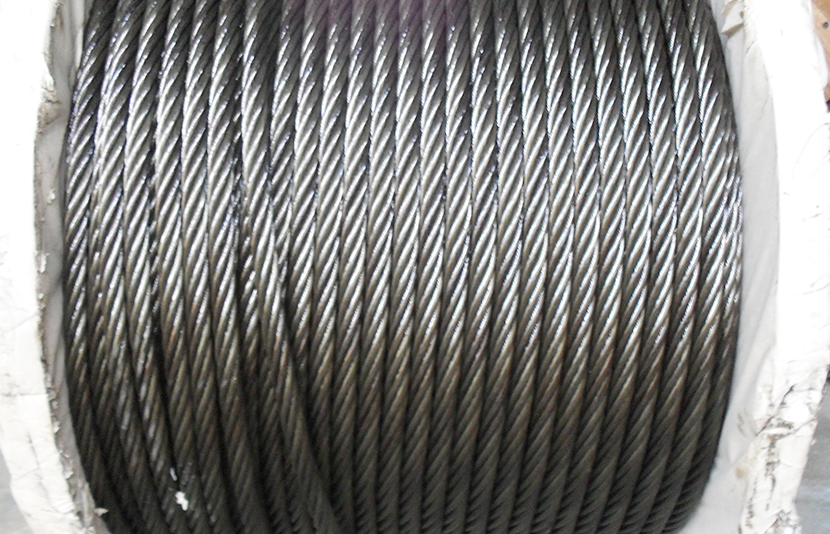
Galvanized Steel Wire is one of the most widely used materials in construction, agriculture, fencing, binding, cable reinforcement, and industrial manufacturing. Because it combines the strength of steel with the corrosion resistance of zinc, galvanized steel wire is valued for long-term durability, stable performance, and broad application flexibility. For buyers, engineers, and procurement teams, understanding how manufacturers produce high quality galvanized steel wire is essential for selecting the right specification, evaluating product quality, and comparing material performance across industries.
This guide provides a detailed, SEO-friendly overview of galvanized steel wire production, including definitions, manufacturing stages, performance advantages, common wire types, technical specifications, quality control methods, and practical selection factors. It is designed for direct use in blog pages, category pages, industry content, and product knowledge sections.
Galvanized steel wire is steel wire coated with a protective layer of zinc. The zinc coating acts as a barrier against moisture, oxygen, chemicals, and environmental wear, helping the wire resist rust and extend service life. Depending on the application, galvanized steel wire may be produced through hot-dip galvanizing or electro-galvanizing.
High quality galvanized steel wire is manufactured with attention to wire rod chemistry, wire drawing precision, surface cleanliness, zinc adhesion, coating thickness, tensile strength, and uniformity. The result is a wire product that maintains mechanical reliability while offering strong anti-corrosion performance.
Manufacturers and end users choose galvanized steel wire because it balances cost, durability, and processing flexibility. Compared with non-Coated Steel Wire, galvanized wire performs better in outdoor and high-moisture environments. It is also easier to process into finished products such as fencing, binding wire, mesh, springs, gabion systems, cable reinforcement components, and ties.
From an industrial perspective, galvanized steel wire is popular because it supports mass production, standardization, and multiple customization options. It can be supplied in different diameters, zinc coating weights, tensile grades, and packaging formats to meet various market needs.
The production of galvanized steel wire involves several controlled stages. Each stage affects the final performance, appearance, and durability of the wire. High quality production depends on strict process control, material selection, and consistent surface treatment.
The process begins with selecting suitable low-carbon steel or medium-carbon steel wire rod. Wire rod quality is critical because impurities, inconsistent chemistry, or poor surface condition can reduce wire drawability and coating adhesion. Manufacturers commonly evaluate carbon content, sulfur and phosphorus levels, surface defects, and internal uniformity before production begins.
High quality galvanized steel wire usually starts with wire rod that offers good ductility and stable mechanical properties. This ensures the wire can be drawn to the required diameter without cracking or excessive breakage.
Before wire drawing, the wire rod must be cleaned to remove scale, rust, dirt, and oxide layers. Surface preparation is essential because any contamination can affect lubrication, drawing efficiency, and zinc coating quality. Depending on the plant and product type, cleaning may include mechanical descaling, pickling, rinsing, and phosphating or other surface conditioning methods.
A clean surface allows the wire to pass through dies smoothly and helps the galvanizing layer bond evenly. Poor cleaning is one of the main causes of coating defects, irregular finish, and reduced corrosion resistance.
Wire drawing is the process of reducing the diameter of the steel wire rod by pulling it through a series of dies. This step increases dimensional accuracy and improves the wire’s mechanical properties. During drawing, the wire becomes thinner, smoother, and stronger through strain hardening.
Manufacturers carefully control drawing speed, die wear, lubrication, and temperature to avoid wire breakage and maintain diameter consistency. For high quality galvanized steel wire, the drawing process must produce a stable base wire with uniform surface characteristics and reliable tensile performance.
Depending on the final product requirements, the drawn wire may undergo annealing to improve softness, ductility, and workability. Annealing reduces internal stress created during drawing and helps the wire perform better in binding, twisting, knotting, or mesh forming applications.
Soft galvanized wire often requires more ductility, while high-tensile wire may be treated differently to preserve strength. The heat treatment stage is therefore adjusted according to the target application.
Prior to zinc coating, the wire surface must be perfectly prepared. This often includes acid pickling to remove oxide residue, followed by rinsing and fluxing. Flux improves the wetting and bonding behavior of zinc on steel. Proper surface preparation ensures the galvanizing layer is even, adherent, and resistant to peeling or flaking.
This stage is especially important in hot-dip galvanizing, where the wire is immersed in molten zinc. Even minor contamination can lead to coating defects or reduced coating life.
The galvanizing stage is the most important part of galvanized steel wire production. Manufacturers typically use one of two methods:
Hot-dip Galvanized Steel Wire is often preferred for outdoor, agricultural, and heavy-duty applications because it provides stronger corrosion resistance. Electro-galvanized wire is usually selected for lighter-use applications where appearance and smooth finish are important.
After galvanizing, the wire is cooled under controlled conditions to stabilize the coating. It may then be passed through finishing treatments such as wiping, smoothing, or passivation depending on the required surface appearance and storage needs. Finishing helps improve handling, prevent surface oxidation, and maintain visual consistency.
High quality finished galvanized wire should show a uniform coating, no excessive dripping, no bare spots, and no visible defects such as peeling, blistering, or uneven thickness.
The final wire is rewound into coils, spools, bobbins, or customized packages according to customer requirements. Proper packaging is necessary to prevent mechanical damage, moisture exposure, and tangling during transportation and storage. For export orders, manufacturers often use moisture-resistant wrapping, labels, and palletized shipment methods to protect product quality.
Understanding the difference between hot-dip galvanized steel wire and electro-galvanized steel wire helps buyers choose the right product for their project. Although both are zinc-coated, they differ in coating thickness, corrosion resistance, surface appearance, and common use cases.
| Item | Hot-Dip Galvanized Steel Wire | Electro-Galvanized Steel Wire |
|---|---|---|
| Coating Method | Immersion in molten zinc | Electrolytic zinc deposition |
| Coating Thickness | Thicker | Thinner |
| Corrosion Resistance | High | Moderate |
| Surface Appearance | Rougher, matte, industrial look | Smoother, brighter finish |
| Typical Use | Fencing, agriculture, outdoor structures, heavy-duty industrial applications | Binding, light construction, packaging, indoor or mild environments |
| Service Life | Longer in outdoor environments | Shorter in highly corrosive conditions |
High quality galvanized steel wire offers a combination of mechanical strength and corrosion protection that makes it suitable for many industries. Its key advantages include:
Galvanized steel wire is used across many sectors because it provides dependable performance in both indoor and outdoor settings. Common applications include:
For each application, the required wire diameter, coating weight, tensile strength, and surface finish may vary. That is why manufacturers offer multiple grades and specifications to match end-use conditions.
When sourcing galvanized steel wire, buyers should review the main technical specifications. These determine whether the wire can meet the required mechanical and environmental performance.
| Specification | Typical Range / Options | Influence on Performance |
|---|---|---|
| Wire Diameter | 0.3 mm to 6.0 mm or custom | Determines strength, flexibility, and application suitability |
| Material Grade | Low-carbon steel, medium-carbon steel | Impacts tensile strength and ductility |
| Zinc Coating Type | Hot-dip or electro-galvanized | Determines corrosion resistance and surface finish |
| Zinc Coating Weight | Light, medium, heavy coating grades | Affects durability and outdoor performance |
| Tensile Strength | Soft, medium, high tensile options | Affects load-bearing and forming behavior |
| Surface Finish | Bright, matte, smooth, slightly rough | Influences appearance and handling |
| Packaging | Coils, spools, bobbins, customized bundles | Supports storage, transport, and automation |
For procurement and quality control teams, several factors help determine whether galvanized steel wire is high quality. These include:
In industrial procurement, it is also common to request material test reports, coating thickness information, tensile test results, and dimensional inspection data. These documents help verify consistency and traceability.
High quality production depends on quality control at every stage. Manufacturers typically use inspection procedures to ensure the wire meets technical and commercial requirements. Common quality control checkpoints include raw material inspection, drawing diameter checks, coating inspection, tensile testing, surface observation, and packaging verification.
A reliable galvanized steel wire production line will monitor process temperature, zinc bath condition, chemical composition, line speed, and post-treatment consistency. By controlling these variables, manufacturers can reduce defects and improve batch-to-batch stability.
| Quality Control Stage | Main Test or Check | Purpose |
|---|---|---|
| Raw Material | Chemical analysis, surface inspection | Confirm steel rod quality before processing |
| Drawing | Diameter measurement, breakage monitoring | Maintain dimensional accuracy |
| Annealing | Temperature and softness control | Ensure suitable ductility |
| Galvanizing | Coating thickness, adhesion testing | Verify corrosion protection performance |
| Final Product | Tensile test, visual inspection | Confirm mechanical and appearance standards |
| Packaging | Weight, label, bundle integrity | Prevent shipping and storage issues |
Several factors influence the quality and lifespan of galvanized steel wire. Buyers should understand these variables when evaluating product options or comparing manufacturers.
The chemistry of the base steel affects drawing behavior, strength, and zinc bonding. Poor-quality base metal can create weak points and reduce final wire stability.
Thicker zinc coatings generally improve corrosion resistance, especially in outdoor and humid environments. However, coating thickness must still be balanced with flexibility and application needs.
Humidity, salt spray, industrial pollution, soil contact, and UV exposure all affect wire longevity. Hot-dip galvanized wire is usually preferred for harsher environments.
Even high quality galvanized steel wire can be damaged by poor storage. Moisture, impact, improper stacking, and mechanical abrasion may reduce coating effectiveness.
Welding, twisting, bending, and repeated stress can affect the coating surface. The selected wire must match the intended processing method.
The following table shows general specification examples commonly seen in the market. Actual dimensions and performance standards may vary by order and production standard.
| Wire Diameter | Approx. Tensile Range | Coating Type | Main Use |
|---|---|---|---|
| 0.30–0.60 mm | Soft to medium | Electro-galvanized | Binding, light packaging |
| 0.60–1.20 mm | Soft to medium | Electro- or hot-dip galvanized | General tying, mesh, small coils |
| 1.20–2.50 mm | Medium | Hot-dip galvanized | Fencing, mesh, agriculture |
| 2.50–4.00 mm | Medium to high | Hot-dip galvanized | Gabions, heavy-duty fencing |
| 4.00–6.00 mm | High | Hot-dip galvanized | Structural, reinforcement, industrial support |
Selecting the right galvanized steel wire depends on the application environment, mechanical demand, and required lifespan. For light indoor use, electro-galvanized wire may be sufficient. For outdoor fencing, agriculture, and heavy-duty projects, hot-dip galvanized wire is often a better choice.
Key selection questions include:
Answering these questions helps buyers choose a galvanized steel wire specification that aligns with performance needs and cost targets.
For procurement teams, high quality galvanized steel wire offers predictable supply, easier specification matching, and lower replacement frequency. For construction users, it delivers strong performance in ties, mesh, and reinforcement. For industrial manufacturers, it supports efficient processing and stable end-product quality.
Because galvanized steel wire can be made in large volumes and customized to specific requirements, it remains a core material in global supply chains. Its durability, versatility, and cost-effectiveness continue to make it a preferred option in many sectors.
High quality galvanized steel wire has a uniform zinc coating, stable tensile strength, consistent diameter, good adhesion, and reliable corrosion resistance. It is manufactured from clean base steel and processed with controlled surface preparation and galvanizing.
Hot-dip galvanized wire is generally better for outdoor and corrosive environments because it has a thicker coating. Electro-galvanized wire is better for applications that need a smooth surface and lighter protection requirements.
Yes. Outdoor performance is one of the main reasons galvanized steel wire is so widely used. Hot-dip galvanized products are especially suitable for long-term outdoor exposure.
Construction, agriculture, fencing, packaging, mesh production, cable reinforcement, and general manufacturing are among the most common industries using galvanized steel wire.
Understanding how manufacturers produce high quality galvanized steel wire helps buyers, engineers, and industry professionals make better purchasing decisions. From raw material selection and wire drawing to cleaning, galvanizing, finishing, and packaging, each step affects final product quality. When manufacturing is properly controlled, galvanized steel wire delivers excellent corrosion resistance, strong mechanical performance, and long service life across a wide range of applications.
Whether used for fencing, construction, agriculture, packaging, or industrial fabrication, galvanized steel wire remains a dependable material with broad market demand. By focusing on specification, coating quality, and production consistency, buyers can identify the best galvanized steel wire for their operational needs.
```

 Landline Phone: +86-513-85100011
Telephone: +86 13585223056
 E-mail: hangtong@nthangtong.com
vicky@nthangtong.com
 Address: No. 508, Guangxing Road, Baishan Town, Bo'ai County, Jiaozuo City, Henan Province
Copyright © Henan Suxiang Steel Cable Co., Ltd
This website uses cookies to ensure you get the best experience on our website.
 Español
 한국어
한국어 العربية
 Tiếng Việt
 Filipino



 Phone
Phone
Comment
(0)