

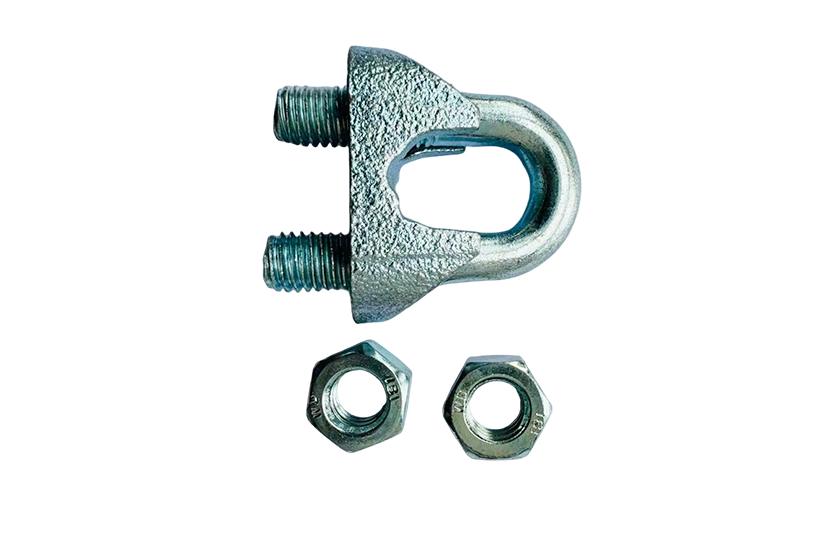
Choosing the right Galvanized Steel Wire for outdoor applications is essential for long-term performance, safety, and cost efficiency.
Whether the wire is used for fencing, garden structures, cable supports, livestock enclosures, construction tying, utility installations, or general outdoor fastening,
the selection process should focus on corrosion resistance, wire diameter, tensile strength, coating quality, and the environment in which the wire will be installed.
Because outdoor conditions expose wire to moisture, UV, temperature fluctuations, rain, snow, soil contact, and airborne contaminants, the correct specification can make a major difference in service life.
This guide provides a practical, SEO-friendly overview of galvanized steel wire selection for outdoor environments.
It explains what galvanized steel wire is, why it performs well outdoors, how to compare specifications, which coating types are available, and how to match wire properties to different outdoor uses.
It also includes tables for quick reference, helping readers compare sizes, coatings, and applications in a clear and structured format.
Galvanized steel wire is steel wire that has been coated with a protective layer of zinc to reduce rust and corrosion.
The zinc coating acts as a barrier, shielding the steel core from environmental exposure.
In many cases, the zinc also provides sacrificial protection, meaning it corrodes before the steel does, helping extend the wire’s usable life.
This makes galvanized steel wire one of the most widely used materials for outdoor projects.
It is valued for its balance of strength, durability, affordability, and corrosion resistance.
Depending on the manufacturing process, galvanized wire may be produced as electro-galvanized wire or hot-dipped galvanized wire, each offering different levels of protection and surface characteristics.
Outdoor environments are harsh on metal materials.
Water, humidity, salt air, fertilizer exposure, acid rain, and physical wear can quickly damage unprotected steel.
Galvanized steel wire is preferred because it delivers several important advantages:
Galvanized steel wire is used across many industries and outdoor settings. The correct wire specification depends on the load, exposure, and installation method.
Common applications include:
When choosing galvanized steel wire for outdoor applications, buyers should evaluate several technical and environmental factors.
Selecting based on price alone can lead to premature rusting, wire breakage, or insufficient load capacity.
The following criteria are the most important.
The first step is understanding the exposure conditions.
Mild outdoor use in a dry climate is very different from exposure near the coast, in industrial areas, or in constantly wet soil.
The more severe the environment, the heavier the galvanizing requirement should be.
| Exposure Type | Typical Conditions | Recommended Selection Focus |
|---|---|---|
| Low exposure | Dry weather, limited moisture, sheltered outdoor use | Standard galvanized coating, moderate wire diameter |
| Moderate exposure | Regular rain, seasonal humidity, general outdoor installation | Hot-dipped galvanized wire, stronger coating weight |
| High exposure | Frequent moisture, soil contact, fertilizer, animal areas | Heavy galvanized coating, corrosion-resistant design |
| Severe exposure | Coastal salt air, industrial pollution, constant wet conditions | Maximum zinc coating, careful specification review |
The galvanizing process has a major impact on corrosion resistance and durability.
Two common methods are used in the wire industry:
| Galvanizing Type | Description | Outdoor Performance | Typical Uses |
|---|---|---|---|
| Electro-galvanized wire | Thin zinc coating applied through an electrochemical process | Good for light outdoor exposure, but less durable than hot-dipped wire | Light fencing, bundling, indoor-outdoor transitional use |
| Hot-dipped galvanized wire | Wire is dipped into molten zinc for a thicker, more durable coating | Excellent for outdoor use and long-term corrosion resistance | Fencing, agriculture, construction, heavy outdoor use |
| Heavy galvanized wire | Hot-dipped wire with a thicker zinc layer than standard grades | Best for harsh outdoor environments | Coastal, industrial, agricultural, soil-contact applications |
In most outdoor cases, hot-dipped galvanized steel wire is the preferred choice because the thicker zinc layer provides stronger protection.
Electro-galvanized wire may be suitable when exposure is limited and lower cost is a priority.
Wire diameter, often expressed in gauge or millimeters, affects strength, flexibility, and load-bearing capacity.
Thicker wire is generally stronger and more resistant to mechanical damage, while thinner wire is easier to bend and install.
Choosing the right diameter depends on whether the wire will be used for support, tying, fencing, or lightweight fastening.
| Wire Diameter | Relative Strength | Flexibility | Common Outdoor Use |
|---|---|---|---|
| Thin gauge | Lower | High | Light fastening, garden tying, small mesh |
| Medium gauge | Moderate | Moderate | General fencing, support wire, utility use |
| Thick gauge | High | Lower | Structural support, heavy-duty fencing, animal containment |
For outdoor projects, the wire should always be strong enough to handle wind, tension, impact, and long-term exposure without stretching excessively or breaking.
However, overly thick wire may be difficult to install or form around corners and fittings.
Tensile strength measures how much pulling force the wire can withstand before breaking.
This is a key specification for applications where the wire will support weight, maintain tension, or resist movement.
Outdoor fencing, support systems, and agricultural installations often require a balance between strength and flexibility.
| Tensile Strength Level | Performance Characteristic | Best For |
|---|---|---|
| Low tensile | More flexible, easier to handle | General tying, light support |
| Medium tensile | Balanced flexibility and durability | Common outdoor installation, fencing, mesh |
| High tensile | Stronger, more resistant to stretching | Long-span fencing, tension systems, demanding outdoor use |
High Tensile Galvanized Steel Wire is often chosen for applications that require the wire to remain taut over time.
It reduces sagging and improves structural stability, especially in fencing and support applications.
The amount of zinc on the wire greatly affects corrosion resistance.
A heavier coating generally provides better protection in outdoor environments, especially where humidity, rain, or soil contact are common.
If a product specification includes coating weight or coating thickness, that information should be carefully compared.
| Coating Level | Protection Level | Suggested Outdoor Environment |
|---|---|---|
| Light coating | Basic protection | Dry, low-risk outdoor areas |
| Standard coating | Moderate protection | General exterior use |
| Heavy coating | Strong protection | Wet, humid, agricultural, and industrial areas |
| Extra-heavy coating | Maximum protection | Coastal and severe corrosion environments |
Some outdoor projects require wire that can be easily bent, tied, twisted, or woven.
Others require a stiffer wire that holds shape and maintains tension.
The right balance of flexibility and rigidity is important.
A flexible wire is easier to install, but it may be less suitable for high-load tensioning.
A stiff wire can provide better structure, but it may require more effort to work with.
A clean, uniform galvanized finish often indicates better manufacturing quality.
Smooth coatings tend to perform well in installation and handling, while rough or inconsistent surfaces may indicate lower quality or uneven zinc coverage.
For outdoor use, the appearance of the surface can also matter when the wire is visible in fences, gardens, or landscape structures.
Different galvanized wire types are used depending on the function and environment.
Below is a simple comparison of common types used in outdoor applications.
| Wire Type | Main Characteristics | Outdoor Advantage | Typical Application |
|---|---|---|---|
| Soft galvanized wire | Flexible, easy to tie and twist | Simple installation | Bundling, light securing, garden use |
| Annealed galvanized wire | Improved softness and workability | Easy forming and tying | Construction tying, fastening, general outdoor use |
| High tensile galvanized wire | Strong, less stretch, more rigid | Good tension retention | Fencing, long-span support, containment |
| Heavy-duty galvanized wire | Thicker wire with enhanced durability | Resists wear and load | Agriculture, industrial outdoor structures |
The right galvanized steel wire depends on the final application.
Outdoor projects can vary significantly, so it is useful to match the wire specification to the expected mechanical and environmental load.
| Application | Recommended Wire Characteristics | Why It Matters |
|---|---|---|
| Garden support | Light to medium gauge, flexible, standard galvanized coating | Easier to shape around plants and frames |
| Fence wire | Medium to heavy gauge, hot-dipped, moderate to high tensile | Needs strength and weather resistance |
| Agricultural use | Heavy galvanized coating, durable, tension resistant | Handles moisture, animals, and long-term exposure |
| Construction tying | Flexible, easy to bend, corrosion resistant | Fast installation and temporary fixing |
| Utility support | High tensile, strong coating, stable performance | Supports load and maintains alignment |
| Coastal outdoor use | Heavy or extra-heavy galvanized coating | Salt air accelerates corrosion |
Hot-dipped galvanized steel wire is generally the most reliable option for outdoor exposure because the zinc coating is thicker and more durable than many alternative finishes.
Its advantages include:
While hot-dipped wire may cost more initially than lighter galvanized wire, it often offers better value over the life of the project because it reduces maintenance and replacement costs.
One of the most important reasons to choose galvanized steel wire for outdoor use is protection against rust.
Plain steel wire can corrode quickly when exposed to rain, condensation, or soil.
Galvanized wire is designed specifically to solve that problem.
| Feature | Plain Steel Wire | Galvanized Steel Wire |
|---|---|---|
| Corrosion resistance | Low | High |
| Outdoor durability | Limited | Much better |
| Maintenance need | Higher | Lower |
| Service life outdoors | Shorter | Longer |
| Initial cost | Lower | Moderate |
Before purchasing galvanized steel wire for outdoor applications, it is wise to review a simple checklist.
This helps ensure the wire is appropriate for the project and avoids costly mismatches.
| Specification Item | What to Confirm |
|---|---|
| Galvanizing type | Electro-galvanized, hot-dipped, or heavy galvanized |
| Wire diameter | Matches strength and flexibility needs |
| Tensile strength | Suitable for the required load and tension |
| Coating thickness | Adequate for the outdoor exposure level |
| Environment | Dry, humid, wet, coastal, industrial, or soil-contact |
| Installation method | Compatible with tying, weaving, stretching, or fastening |
| Expected lifespan | Matches project durability goals |
Even high-quality galvanized steel wire will eventually age under outdoor exposure.
The rate of wear depends on climate and surrounding conditions.
Understanding these factors helps in choosing the right level of protection.
Proper installation helps maximize the performance of galvanized steel wire outdoors.
Even the best wire can fail early if installed incorrectly.
Galvanized steel wire is low maintenance, but basic care can extend its outdoor lifespan.
Regular inspection is especially important in high-moisture or high-load environments.
| Maintenance Action | Benefit | Recommended Frequency |
|---|---|---|
| Visual inspection | Detects rust, damage, and loosening early | Seasonally or after severe weather |
| Cleaning dirt and debris | Reduces trapped moisture and surface wear | As needed |
| Tension check | Maintains structural stability | Periodically |
| Repair of damaged sections | Prevents small issues from spreading | Immediately when needed |
A few common selection mistakes can reduce the effectiveness of galvanized steel wire in outdoor use.
Avoid the following when planning your project:
| Term | Meaning |
|---|---|
| Gauge | Measurement of wire thickness |
| Tensile strength | Resistance to pulling force before breaking |
| Galvanizing | Zinc coating applied to steel for corrosion protection |
| Hot-dipped | Coated by immersion in molten zinc |
| Electro-galvanized | Coated using an electrochemical process |
| Coating weight | Amount of zinc applied to the wire surface |
Selecting the best galvanized steel wire for outdoor applications requires a careful balance of corrosion resistance, wire diameter, tensile strength, coating thickness, flexibility, and environmental exposure.
For light outdoor use, standard galvanized wire may be sufficient.
For demanding conditions, such as fencing, agricultural projects, coastal environments, or soil contact, hot-dipped or heavy galvanized steel wire is usually the better choice.
The most effective selection strategy is to begin with the outdoor environment, then match the wire’s coating type and mechanical properties to the actual job requirements.
By comparing galvanizing methods, gauge, coating level, and strength in a structured way, project planners and buyers can improve durability, reduce maintenance, and achieve better long-term value.
In outdoor settings, the right galvanized steel wire is not just a material choice—it is a performance decision that directly affects reliability and lifespan.
```

 Landline Phone: +86-513-85100011
Telephone: +86 13585223056
 E-mail: hangtong@nthangtong.com
vicky@nthangtong.com
 Address: No. 508, Guangxing Road, Baishan Town, Bo'ai County, Jiaozuo City, Henan Province
Copyright © Henan Suxiang Steel Cable Co., Ltd
This website uses cookies to ensure you get the best experience on our website.
 Español
 한국어
한국어 العربية
 Tiếng Việt
 Filipino



 Phone
Phone
Comment
(0)