High Strength Galvanized Steel Wire Rope: Complete Guide to Structure, Performance, and Applications
In this guide, we explain the structure, working principle, performance characteristics, manufacturing process, and common applications of
High Strength Galvanized Steel Wire Rope. As an important industrial load-bearing component, Galvanized Steel Wire rope is widely used in lifting equipment, construction machinery, transportation systems, marine engineering, mining operations, and heavy industrial applications.
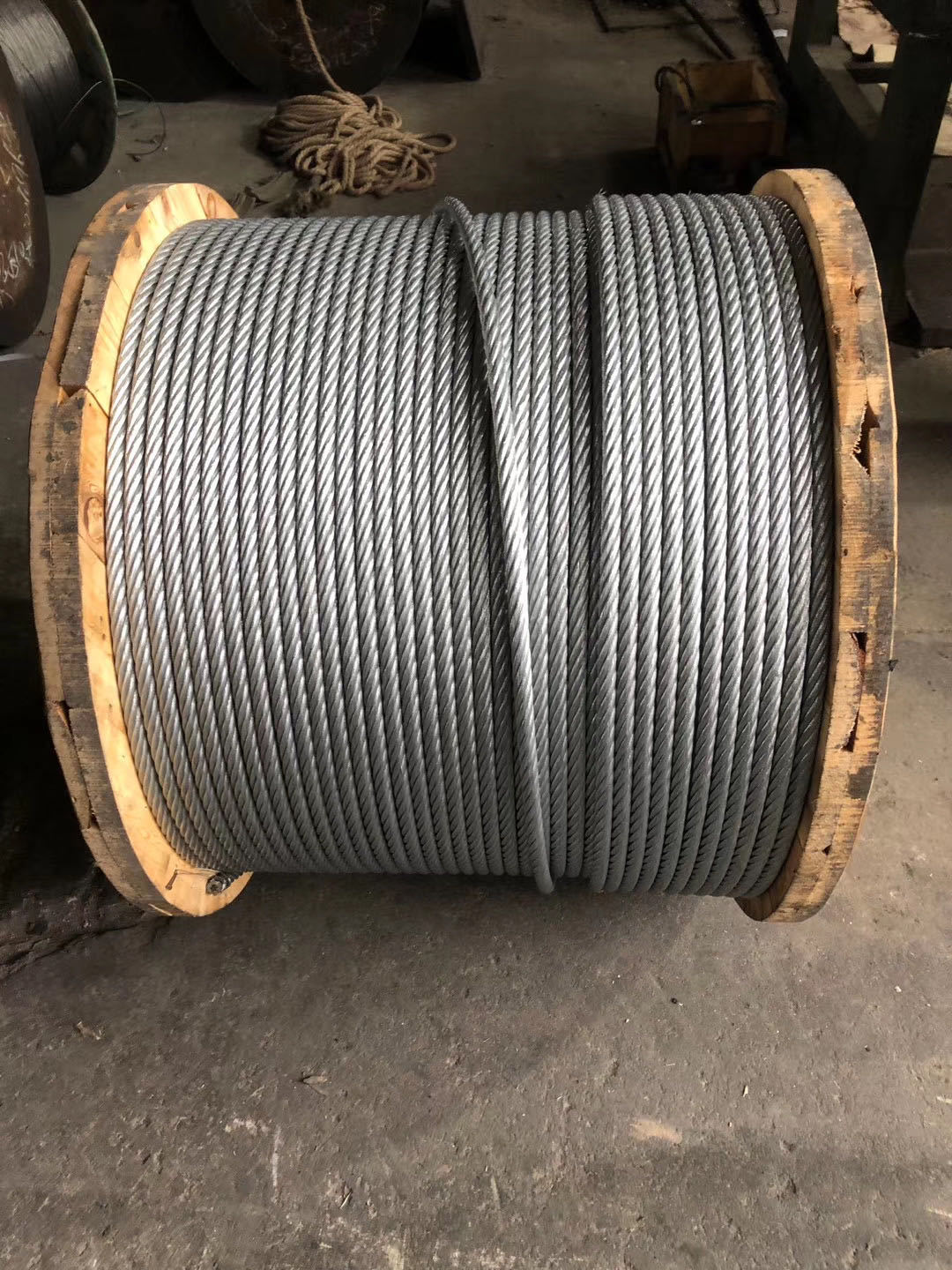
Compared with ordinary steel wire rope, High Strength Galvanized Steel Wire Rope is designed to provide higher tensile capacity and better corrosion protection. The combination of high-strength steel material and zinc coating allows the rope to maintain stable performance under heavy loads and challenging environments.
In practical engineering applications, choosing the correct wire rope is not only about maximum breaking strength. Factors such as working environment, bending frequency, corrosion exposure, safety requirements, and service life also influence the final selection.
High Strength Galvanized Steel Wire Rope is a flexible mechanical cable made by twisting multiple high-strength steel wires into strands and combining these strands around a central core. The surface of each steel wire is coated with zinc to improve corrosion resistance and extend service life.
The basic purpose of a steel wire rope is to transmit pulling force, support loads, or provide controlled movement in mechanical systems. Unlike solid steel bars, wire ropes are made from many small wires, which gives them better flexibility while maintaining high load capacity.
The galvanized coating is a key feature of this type of wire rope. Zinc provides a protective layer that separates the steel surface from moisture and oxygen, reducing rust formation during long-term use.
High Strength Galvanized Wire rope is commonly selected for applications where both mechanical strength and environmental resistance are required, especially in outdoor and heavy-duty working conditions.
Basic Structure of Galvanized Steel Wire Rope
The performance of a wire rope depends heavily on its internal structure. A typical galvanized steel wire rope consists of three main components: steel wires, strands, and a core.
1. Steel Wires
Steel wires are the smallest elements of the rope structure. They are produced through wire drawing processes that reduce steel rod diameter while improving strength and dimensional accuracy.
The quality of individual wires directly affects the final rope performance, including tensile strength, fatigue resistance, and wear resistance.
2. Strands
Several steel wires are twisted together to form a strand. Multiple strands are then arranged around the core to create the complete wire rope structure.
The strand design determines important characteristics such as flexibility, contact pressure, bending performance, and resistance to repeated loading.
3. Core
The core supports the outer strands and helps maintain the overall shape of the rope. Different core designs influence flexibility, strength, and operating performance.
Common core types include fiber core, independent wire rope core, and steel core structures. The appropriate core selection depends on application requirements.
How Does High Strength Galvanized Steel Wire Rope Work?
The working principle of a steel wire rope is based on the combined action of multiple steel wires sharing the applied load. Instead of concentrating force on one metal section, the rope distributes tension through thousands of individual wires.
When a load is applied, each strand carries part of the force. This distributed structure allows the rope to achieve high breaking strength while remaining flexible enough to pass through pulleys, drums, and mechanical systems.
During operation, the rope may experience tension, bending, vibration, friction, and environmental exposure. The high-strength steel structure helps resist mechanical stress, while the galvanized coating reduces corrosion damage.
The service performance of galvanized steel wire rope is influenced by several factors:
Main Characteristics of High Strength Galvanized Steel Wire Rope
High Tensile Strength
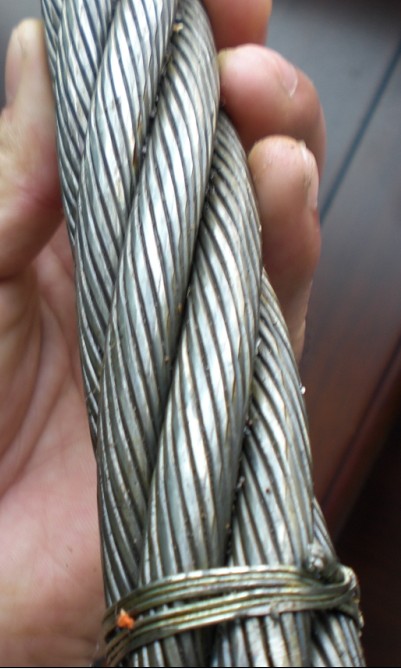
One of the most important advantages of high strength galvanized steel wire rope is its excellent load-bearing capability. High-carbon steel materials provide strong resistance against pulling forces and heavy loads.
This characteristic makes it suitable for cranes, hoisting equipment, elevators, mining systems, and engineering machinery where safety and reliability are critical.
Superior Corrosion Resistance
Steel naturally reacts with moisture and oxygen, which can lead to corrosion over time. The zinc coating on galvanized steel wire rope provides additional protection by acting as a sacrificial protective layer.
Compared with untreated steel wire rope, galvanized wire rope performs better in outdoor environments, humid areas, and applications exposed to rain or salt air.
Good Flexibility and Fatigue Performance
A practical wire rope must balance strength and flexibility. Excessive hardness may improve strength but reduce bending performance.
High quality galvanized steel wire rope is designed to maintain flexibility during repeated movement, helping reduce fatigue damage when used with pulleys, winches, or lifting equipment.
Long Service Life
The combination of strong steel material and corrosion-resistant zinc coating helps extend the working life of the rope.
In suitable operating conditions, galvanized wire rope can reduce replacement frequency and improve equipment availability.
Comparison Between Different Steel Wire Rope Types
The following table provides a general comparison of common steel wire rope types. Actual performance depends on rope design, material grade, environment, and operating conditions.
| Wire Rope Type | Strength Level | Corrosion Resistance | Main Applications |
|---|
| Uncoated Steel Wire Rope | High | Basic | Indoor equipment, general lifting |
| High Strength Galvanized Steel Wire Rope | Very High | High | Cranes, construction, mining, marine equipment |
| Stainless Steel Wire Rope | Medium | Very High | Chemical, food, special environments |
Source: Comparison based on ISO 2408 Steel Wire Ropes — Requirements and general industrial wire rope engineering data.
Why Galvanizing Is Important for Steel Wire Rope
Galvanizing is one of the most common surface protection methods used for steel products. For wire rope, the zinc coating helps protect the steel wires from corrosion during long-term exposure.
The main protection mechanism is called sacrificial protection. Zinc reacts more easily than steel, meaning it can protect the underlying steel even when the surface coating has minor damage.
This makes galvanized steel wire rope especially suitable for:
Manufacturing Process of High Strength Galvanized Steel Wire Rope
The manufacturing process of High Strength Galvanized Steel Wire Rope directly affects its strength, flexibility, corrosion resistance, and service life. A high-quality wire rope is not produced by simply twisting steel wires together. It requires precise control of raw materials, wire processing, surface treatment, rope forming, and final inspection.
Different applications may require different wire rope structures and performance levels. For example, a crane system may require higher breaking strength, while marine equipment may focus more on corrosion resistance. Therefore, the production process must be carefully controlled according to the expected working conditions.
1. Selection of Steel Raw Materials
The first step in manufacturing high strength galvanized steel wire rope is selecting suitable steel materials. High-carbon steel is commonly used because it provides excellent tensile strength and good fatigue resistance.
The chemical composition of steel, including carbon content and alloy elements, influences the final mechanical properties. Proper material selection helps achieve a balance between strength, flexibility, and durability.
2. Steel Wire Drawing Process
Wire drawing is a key process that reduces the diameter of steel rods while improving the strength and surface quality of the steel wire.
During this process, steel passes through a series of drawing dies. The diameter gradually decreases, while the internal structure of the material changes, increasing tensile strength.
Accurate wire diameter control is important because small differences can affect rope balance, load distribution, and overall performance.
3. Heat Treatment and Strength Improvement
After wire drawing, heat treatment may be applied to improve the internal structure of the steel. This process helps optimize mechanical properties and provides better performance during repeated loading.
A properly treated steel wire can achieve higher strength while maintaining enough flexibility for bending and movement.
4. Galvanizing Surface Treatment
Galvanizing is one of the most important steps in producing corrosion resistant steel wire rope. During this process, a zinc coating is applied to the steel wire surface.
The zinc layer protects the steel from environmental factors such as:
Water and humidity
Rain exposure
Salt spray
Industrial atmosphere
Chemical contaminants
The quality and thickness of the zinc coating influence the corrosion resistance and expected service life of galvanized steel wire rope.
5. Strand Formation and Rope Closing
After galvanizing, individual steel wires are twisted together to form strands. These strands are then arranged around a core to create the final wire rope structure.
The rope construction determines many performance characteristics, including:
Different constructions are designed for different working conditions. Some structures provide higher flexibility, while others provide greater strength and durability.
6. Final Inspection and Quality Evaluation
Before delivery, finished wire ropes should undergo inspection to confirm that they meet technical requirements.
Typical inspection items include:
Diameter measurement
Surface appearance inspection
Tensile strength testing
Zinc coating inspection
Structural consistency evaluation
Length and packaging verification
Key Factors Affecting the Performance of Galvanized Steel Wire Rope
The service performance of a High Tensile Galvanized Wire Rope depends on more than the material itself. Working conditions and correct selection also have a major influence.
1. Working Load
Every wire rope has a recommended working load range. Using a rope beyond its designed capacity may accelerate fatigue damage and reduce safety performance.
For heavy-duty lifting applications, engineers usually consider safety factors to ensure reliable operation.
2. Bending Frequency
Wire rope often operates through sheaves, drums, and pulleys. Frequent bending creates repeated stress on individual wires.
A suitable rope construction can improve bending fatigue resistance and extend operating life.
3. Environmental Conditions
The working environment directly affects corrosion speed. Outdoor, marine, and chemical environments usually require stronger corrosion protection.
Galvanized steel wire rope is often selected because it provides better protection compared with untreated steel cable.
4. Maintenance and Inspection
Regular inspection helps identify wear, corrosion, deformation, or broken wires before they affect safe operation.
Proper lubrication, correct installation, and timely replacement are important factors for maintaining wire rope performance.
Common Applications of High Strength Galvanized Steel Wire Rope
Due to its combination of strength, durability, and corrosion resistance, High Strength Galvanized Steel Wire Rope is widely used in many industries.
Construction and Building Engineering
In construction projects, galvanized wire rope is commonly used for cranes, lifting equipment, temporary structures, and material handling systems.
Construction environments often expose equipment to rain, dust, and changing weather conditions. The galvanized surface helps improve reliability during outdoor operation.
Mining and Heavy Industry
Mining operations require materials that can withstand high loads and continuous operation. High Tensile Galvanized Steel Wire rope is used in mine hoisting, transportation systems, and heavy lifting equipment.
Its strong mechanical performance helps support demanding industrial environments.
Marine and Port Equipment
Marine environments create serious corrosion challenges because of salt water and humidity.
Corrosion resistant steel wire rope is commonly used in port machinery, offshore platforms, ship equipment, and marine lifting systems where long-term outdoor exposure is expected.
Elevators and Vertical Transportation
Elevator systems require wire ropes with stable strength, flexibility, and fatigue resistance because the rope operates through repeated cycles.
Properly selected galvanized wire rope helps improve operational safety and service reliability.
Agricultural and General Industrial Equipment
Galvanized steel cable is also used in agricultural machinery, winching systems, fencing structures, and general industrial applications requiring strong and durable cable solutions.
High Strength Galvanized Steel Wire Rope Selection Guide
Choosing the correct wire rope requires consideration of application requirements rather than only selecting the highest strength product.
| Selection Factor | Important Consideration | Impact on Performance |
|---|
| Diameter | Match equipment design and load requirements | Affects strength and flexibility |
| Rope Construction | Select according to bending and movement conditions | Influences fatigue resistance |
| Surface Treatment | Consider moisture and corrosion exposure | Determines corrosion protection level |
| Strength Grade | Match required working load | Controls load-bearing capability |
Source: Selection principles are based on ISO 2408 Steel Wire Ropes — Requirements and common industrial engineering practices.
High Strength Galvanized Steel Wire Rope Technical Reference
| Parameter | Description |
|---|
| Product Type | High Strength Galvanized Steel Wire Rope |
| Material | High Carbon Steel |
| Surface Protection | Zinc Galvanized Coating |
| Main Properties | High tensile strength, corrosion resistance, flexibility, durability |
| Working Environment | Outdoor, industrial, marine, construction environments |
| Typical Uses | Cranes, hoists, elevators, mining equipment, engineering machinery |
Source: General technical characteristics based on industrial Steel Wire Rope Manufacturing standards and engineering application data.
Frequently Asked Questions About High Strength Galvanized Steel Wire Rope
Q1: What is the difference between galvanized steel wire rope and regular steel wire rope?
The main difference is the zinc coating. Galvanized steel wire rope has a protective zinc layer that improves corrosion resistance, making it more suitable for outdoor and humid environments.
Q2: Is galvanized steel wire rope suitable for heavy lifting?
Yes. High strength galvanized steel wire rope is designed for heavy-duty applications where high tensile performance and reliable operation are required.
Q3: How long does galvanized steel wire rope last?
Service life depends on load conditions, environment, maintenance, installation method, and usage frequency. Proper selection and maintenance can significantly extend operating life.
Q4: Can galvanized wire rope be customized?
Yes. Wire rope specifications can be customized according to diameter, construction type, strength requirements, coating requirements, and application conditions.
Q5: How should galvanized steel wire rope be maintained?
Regular inspection, proper lubrication, avoiding overload, and protecting the rope from unnecessary damage are important maintenance methods.
Conclusion: Understanding High Strength Galvanized Steel Wire Rope
High Strength Galvanized Steel Wire Rope combines high tensile steel performance with effective corrosion protection. Its unique structure allows it to handle heavy loads while maintaining flexibility and durability.
From construction and mining to marine engineering and industrial equipment, galvanized wire rope continues to be an important material for safe and efficient mechanical systems.
Understanding its structure, manufacturing process, performance factors, and application requirements helps engineers and buyers select the right wire rope solution for different working environments.

 Español
 한국어
한국어 العربية
 Tiếng Việt
 Filipino


 E-mail:
  Address: No. 508, Guangxing Road, Baishan Town, Bo'ai County, Jiaozuo City, Henan Province



 Phone
Phone